Electromechanical industry locks
Electromechanical industry locks are locking components designed for electrical panels, control cabinets, junction boxes, racks and industrial cabinets-that is, all enclosures that enclose electrical and electronic components. In these contexts, the lock is an operational safeguard in its own right: it protects equipment from unauthorized access, reduces the risk of accidental contact with live parts, and contributes to equipment compliance with electrical safety regulations.
The OMR catalog for this sector includes 53 models, organized by locking type, locking mechanism, material, and drilling diameter, so as to cover the full range of application needs-from direct replacement of an existing lock to standardization of equipment on a heterogeneous panel fleet.
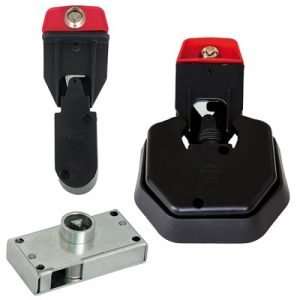
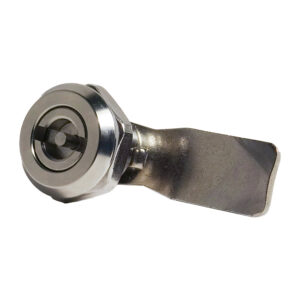
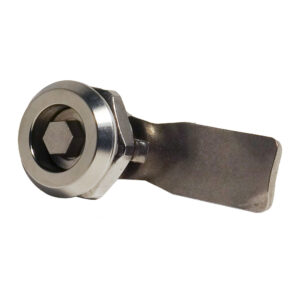
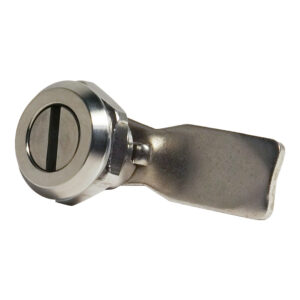
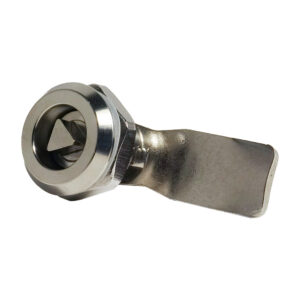
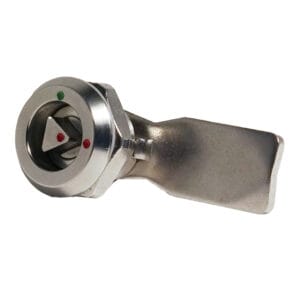
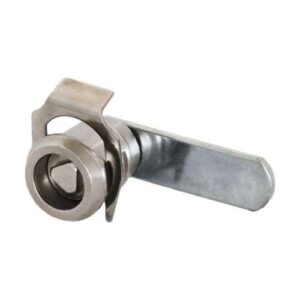
Standard Imprint Latches – Quarter-turn latches with triangular, square, double barb – 3 mm Pin, screwdriver, and hexagonal shapes are the most common type used in industrial electrical panels. They are available in plain, extension, and horseshoe clip versions for various panel thicknesses, including stainless steel for aggressive environments-including a version with open/closed status indicators.
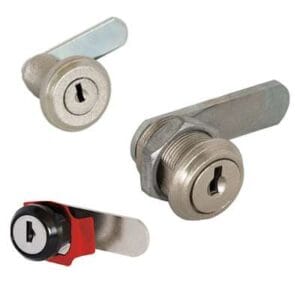
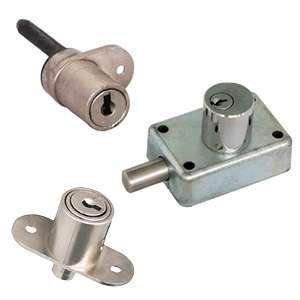
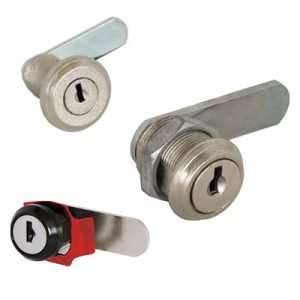
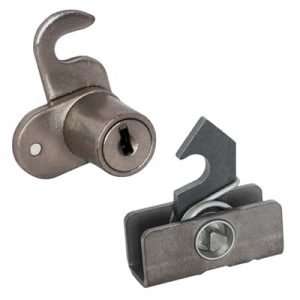
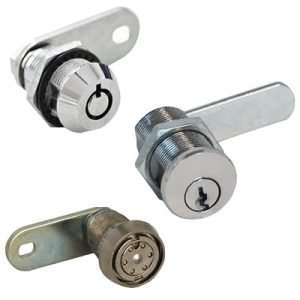
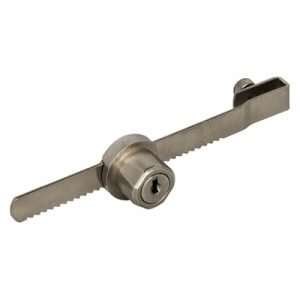
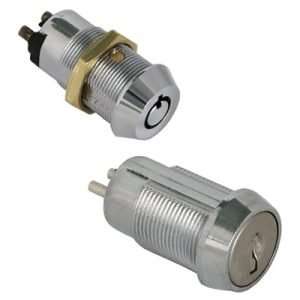
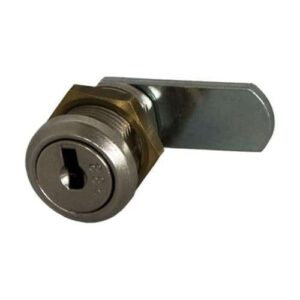
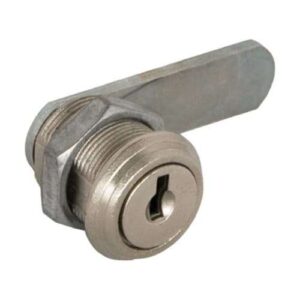
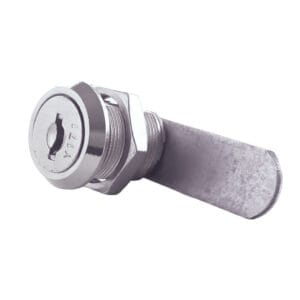
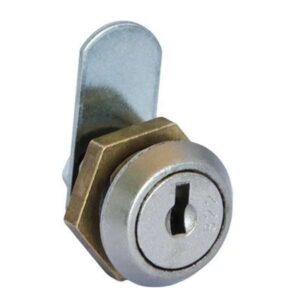
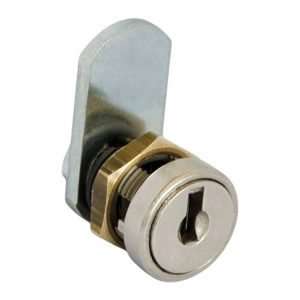
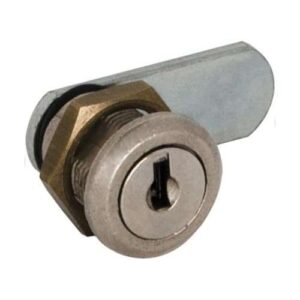
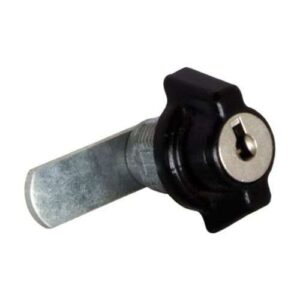
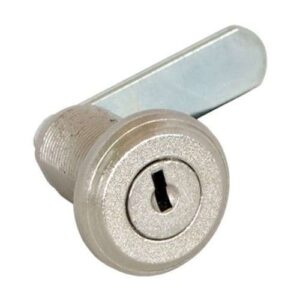
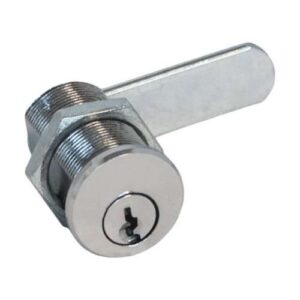
Universal plate-cylinder and pin tumbler cam locks – Universal models in Ø18 and Ø19 diameters, universal micro-lock, stainless steel rotor, square jig, and offset rotor models for confined space installations are the choice when key flexibility or multiple door management is required.
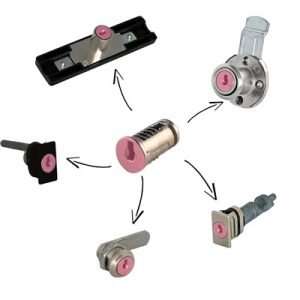
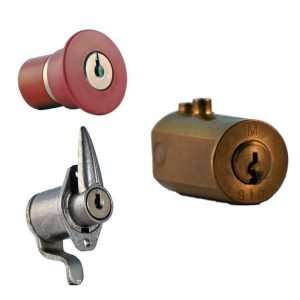
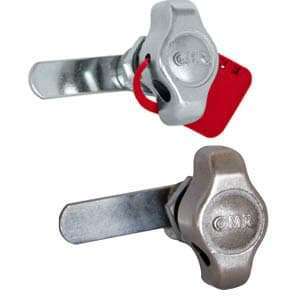
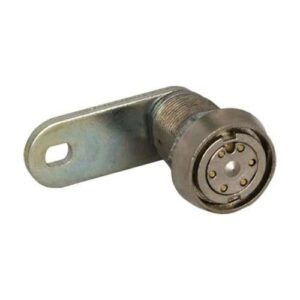
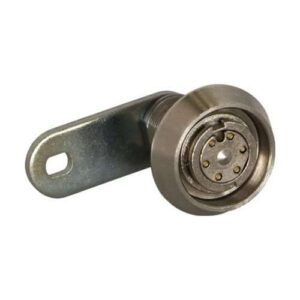
Jack locks and reprogrammable versions – The red keyed Jack lock with radial pins and its reprogrammable version allow access to be managed with a higher level of protection and in environments with multiple operators or time-varying security requirements, for the reprogrammable version, without mechanical intervention on the lock.
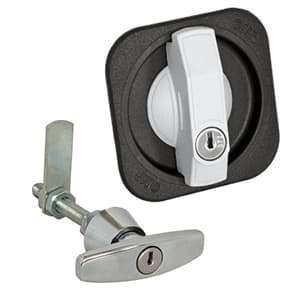
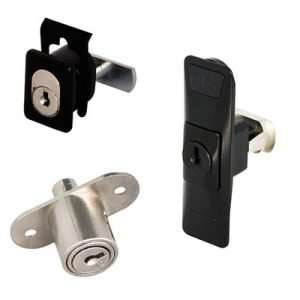
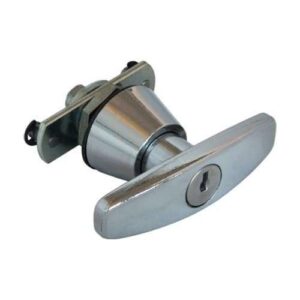
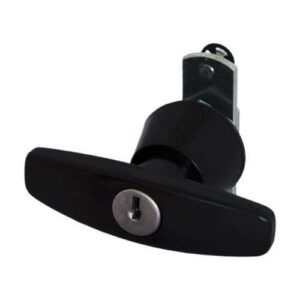
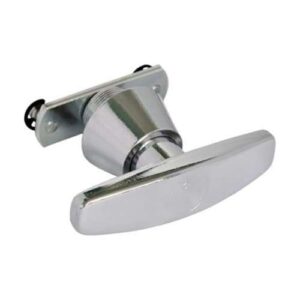
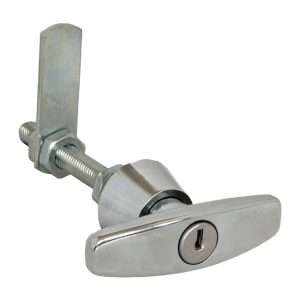
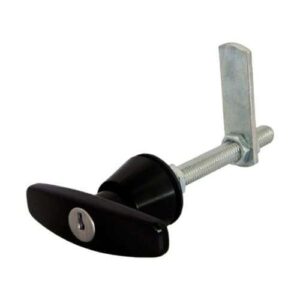
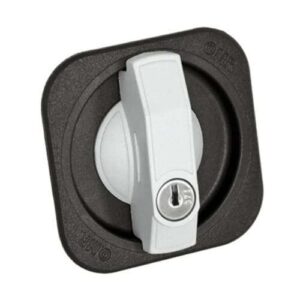
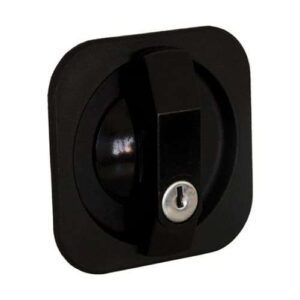
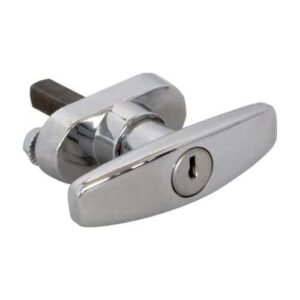
Handles with integrated lock – Available in chrome, black, adjustable, square base and micromanual versions, they combine an ergonomic grip for opening the door and a locking function in a single component. Ideal for medium- and large-sized paintings.
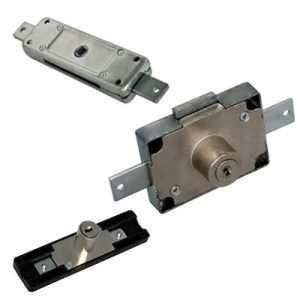
Crémone bolts and cremone locks – For cabinets with hinged doors that require multi-point locking: lockable T-handle, double-expansion and triple-expansion crémone bolts distribute locking on two or three perimeter points, ensuring tightness even on large panels subject to vibration.
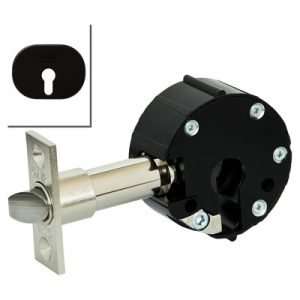
Maneuvering lock locks – Reduced bolts and Ø25 size models prevent maneuvering of internal actuators until the door is in the correct closed position: a solution designed for safe disconnection on live systems.
Showing 1–32 of 54 results
-

Stainless steel double barb – 3 mm Pin budget lock
-
Stainless steel hexagon budget lock
-
Stainless steel screwdriver budget lock
-
Stainless steel triangle budget key lock
-
Stainless steel triangle socket key lock – with status indicators
-
Tool operated slamlock with notched cam
0,00€ -
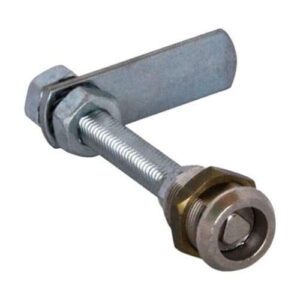
Triangle shape extension key lock 6
-
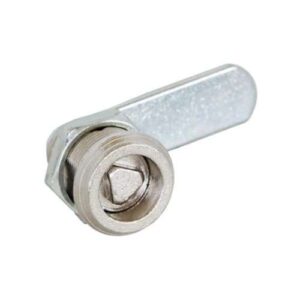
Triangle socket key lock 6
0,00€ -
Universal Plate-Cylinder Cam Lock
Price range: 0,00€ through 1,00€ -
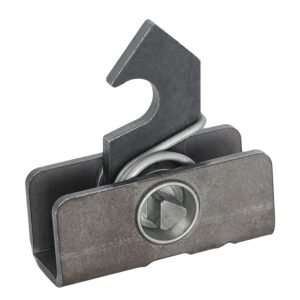
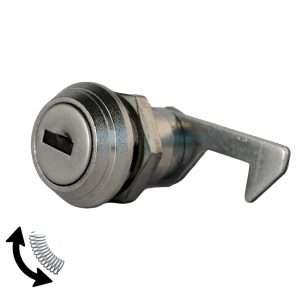
Latch lock with return spring and hook cams
-
Universal Plate-cylinder Cam Lock Ø 19
0,00€ -
Universal Wafer Camlock with reversible key
0,00€ -
Universal cam lock Ø 18
-
Mini plate-cylinder camlock
0,00€ -

Universal Stainless Steel Barrels Cam Lock
0,00€ -
Universal cam lock with square mounting hole
-
Microhandle with lock
0,00€ -
Cam lock with oversize head
0,00€ -
Universal pin tumbler lock with offset rotor
0,00€ -
Jack cam lock
0,00€ -
Reprogrammable Cam Lock
0,00€ -
T-handle with lock, chrome finish
0,00€ -
T-handle with lock, black
0,00€ -
T-handle, chrome finish
-
Adjustable T-handle with lock
0,00€ -
Black adjustable T-handle with lock
0,00€ -
Square base handle
0,00€ -
Black square base handle
0,00€ -
T-handle with lock
-
2-point Crémone bolt
0,00€ -
3-point crémone bolt
0,00€ -
Triangle 6 socket key lock with horseshoe clip
0,00€



FOCUS
Choosing the right lock for an electrical panel or cabinet means evaluating five variables simultaneously: the type of opening required, the level of security needed, the installation environment, panel characteristics, and key management. Here's how to get your bearings.
1. Key type and level of access
If the switchboard is to be accessed by several technicians with a single universal key-the most common situation in industrial maintenance-the choice falls on standard socket key locks (triangle, square, double barb - 3 mm Pin, screwdriver). If, on the other hand, selective or controlled access is required, consider universal plate-cylinder or pin tumbler cam locks, which can be master keyed, or reprogrammable Jack locks, which allow the access profile to be changed without disassembling the lock.
2. Safety and Unintentional Locking
In switchboards with energized components, it is critical that the door cannot be accidentally left open. Maneuvering lockouts solve this problem by physically preventing operation of internal controls with the door open. For an added level of control, models with status indicators visually signal whether the panel is open or closed, useful in panel rooms with multiple cabinets side by side.
3. Installation environment and IP rating
For enclosures installed inside protected environments, steel, brass or die-cast metal provide adequate performance. For outdoor installations, in humid environments, subject to salt spray or conductive dust, it is preferable to go for stainless steel locking, which offer maximum corrosion resistance and are compatible with the gaskets required to achieve the highest IP ratings (IP65, IP66, IP67).
4. Panel thickness and characteristics
The drilling diameter (13 mm or 25 mm in standard versions) and the length of the lock shank must be compatible with the panel thickness. For thin panels, the basic version is sufficient; for thicker panels, versions with extensions are used. Horseshoe clips are recommended when the standard nut cannot be used because of tight spaces at the back of the panel.
5. Single component or integrated system
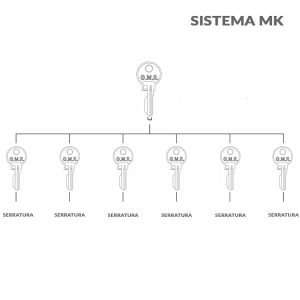
If you manage a system with many switchboards, it is worth thinking in terms of a system: choosing a family of master key locks allows you to have a single key for all secondary doors and differentiated keys for the main switchboards. OMR supports the configuration of customized master keying systems: contact the sales department to evaluate the solution best suited to your system.
FAQ
<p>What is the difference between a triangle 5 and triangle 6 socket key lock?<br>
The difference is in the size of the internal footprint profile: triangle 6 is larger and more robust, suitable for latches that require more opening torque or thicker panels. Triangle 5 is more compact and is often used on smaller junction boxes and squares. Both profiles are widely used industry standards.
Can I replace an existing lock without reforging the panel?
In many cases yes, as long as the original bore diameter (usually 13 mm or 25 mm) and shank length are respected. OMR catalog filters allow you to search directly by diameter and length to find the compatible model. If in doubt, our technical department can support you in identifying the correct replacement.
What is meant by a "teachable" lock?
A teachable lock can be configured within a hierarchical system of keys: for example, each panel has its own individual key, but there is a master key that opens all the panels in the system. OMR makes customized master keying systems that are useful in settings with many systems to manage or with multiple levels of authorized personnel.
-
Cam locks (83)
-
Master key locks (71)
-
Waterproof/stainless locks (36)
-
1/4-turn budget locks (34)
-
Detachable barrel locks (27)
-
Deadbolt locks (21)
-
Locks for waste bins (20)
-
Handles and knobs (18)
-
Pivot locks (17)
-
Universal Wafer Cam locks (16)
-
Reprogrammable locks (13)
-
Special custom-made locks (13)
-
Locks with swivel handles (12)
-
Combination locks (10)
-
Camlocks with notched cam (10)
-
Multi-point locks (9)
-
Electronic locks for cabinets, drawers, doors (7)
-
Locks with return spring (7)
-
Universal pin tumbler locks (7)
-
Microlocks (6)
-
Locks with rotating rods (6)
-
Push-button locks (5)
-
Cross key locks (5)
-
OTTO Series (4)
-
Ratchet lock (3)
-
Padlockable locks (2)
-
Electric contact locks (2)