Push-button locks
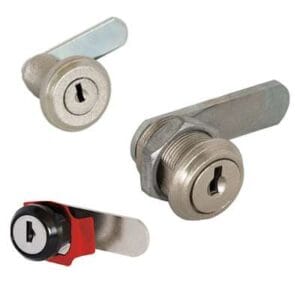
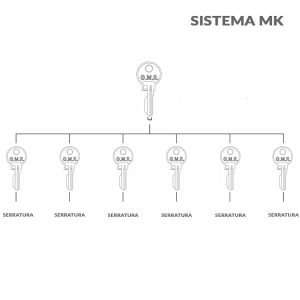
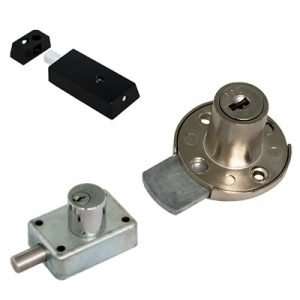
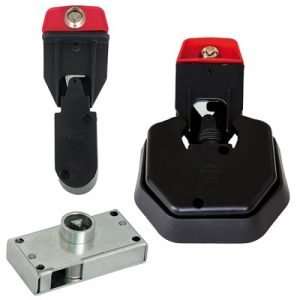
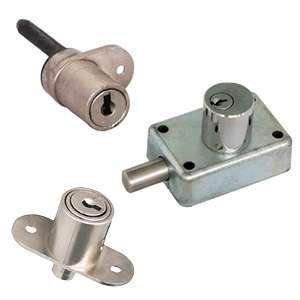
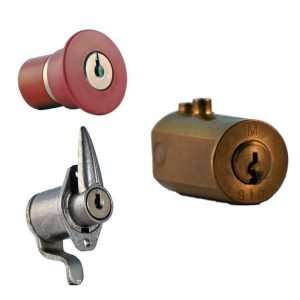
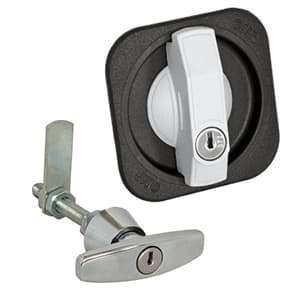
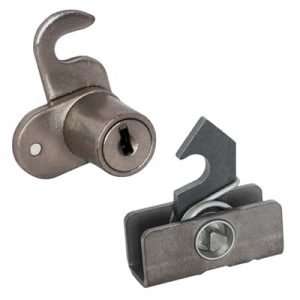
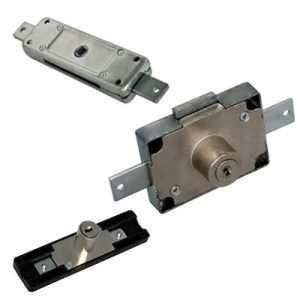
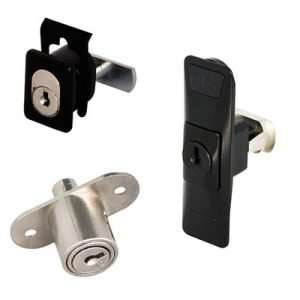
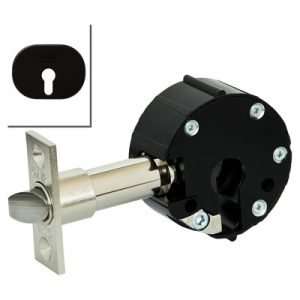
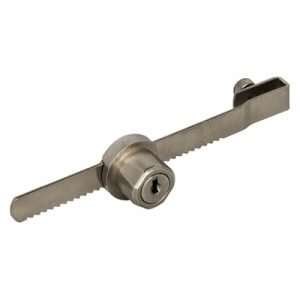
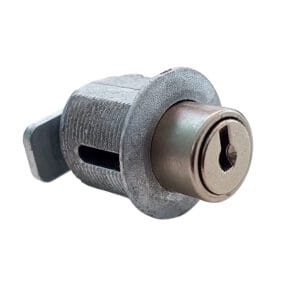
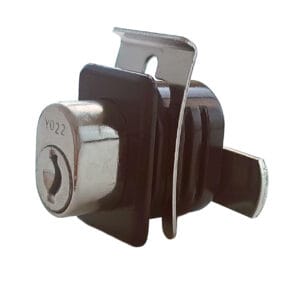
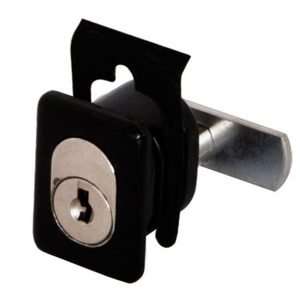
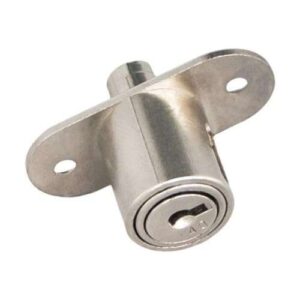
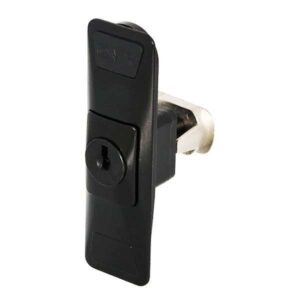
OMR push-button locks are locking systems for industrial furniture and technical furnishings designed for applications that require practicality and speed of use, such as sliding doors or doors with a high frequency of opening. The mechanism allows automatic locking by pressure, while opening is done with a flat key. Push-button locks offer different fastening solutions (screws, horseshoe clips, riveting, quick fastening) and are made of die-cast metal or technopolymer, with nickel-plated or black finishes. Encryption variants include KA, KD and passe-partout systems, making them also suitable for professional environments where hierarchical access management is required.
Push-button locks are popular and versatile models, highly valued for their great practicality, in the structure of which there is a small piston.
To open these locks, a classic rotary motion must be performed with the appropriate key, while to close them it is sufficient to push, which is precisely why they are also called pressure locks.
In light of this, then, it is clear that push-button locks are the perfect solution for all those applications where you want to make locking particularly easy, indeed almost immediate, without having to sacrifice security at all.
Push-button locks are mainly used in the furniture world, especially in office furniture and in furniture that involves opening and locking systems with sliding doors, perhaps made of metal or wood.
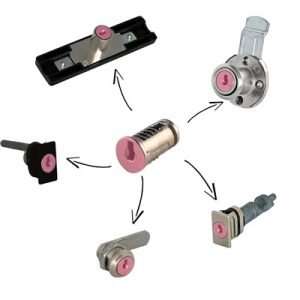
OMR Locks can offer push-button locks of multiple types, thanks to its manufacturing approach that makes endless customizations possible.
FOCUS
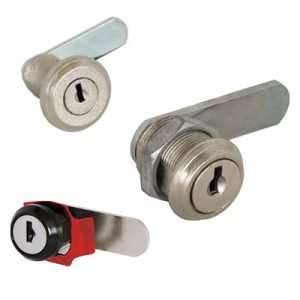
To choose the most suitable push-button lock, consider the type of door (sliding or hinged) and the locking system required: straight cam, hook or through-pin. Automatic locking with simple pressure is ideal in settings with high frequency of use. Key extraction positions options (with lock open and closed or only closed) affect security because they do not allow the key to be forgotten in the keyhole. Available with quick or traditional fasteners, in different materials and lengths (16-27 mm), they easily fit metal or wooden furniture.
FAQ
Where are push-button locks used in industry?
Push-button locks find use in technical cabinets, industrial furniture, office furniture, and sliding door applications, where quick and secure locking is required without compromising accessibility.
What is the advantage of the pressure mechanism over a traditional lock?
The push-to-close mechanism allows automatic locking by simply pressing the lock button, even without the use of a key. This reduces operating time and increases convenience of use, especially in frequent opening/closing situations on doors and sliding leaves.
How to choose the correct cipher for a push-button lock?
The choice between keyed different (KA), keyed alike (KD) or passe-partout depends on key management requirements. KA configurations allow opening with a single group key, while KDs provide greater individual security. The passe-partout system is useful for supervisors or maintainers.
-

Cam locks (83)
-
Master key locks (71)
-
Waterproof/stainless locks (36)
-
1/4-turn budget locks (34)
-
Detachable barrel locks (27)
-
Deadbolt locks (21)
-
Locks for waste bins (20)
-
Handles and knobs (18)
-
Pivot locks (17)
-
Universal Wafer Cam locks (16)
-
Reprogrammable locks (13)
-
Special custom-made locks (13)
-
Locks with swivel handles (12)
-
Combination locks (10)
-
Camlocks with notched cam (10)
-
Multi-point locks (9)
-
Electronic locks for cabinets, drawers, doors (7)
-
Locks with return spring (7)
-
Universal pin tumbler locks (7)
-
Microlocks (6)
-
Locks with rotating rods (6)
-
Push-button locks (5)
-
Cross key locks (5)
-
OTTO Series (4)
-
Ratchet lock (3)
-
Padlockable locks (2)
-
Electric contact locks (2)