
Locking systems for industry
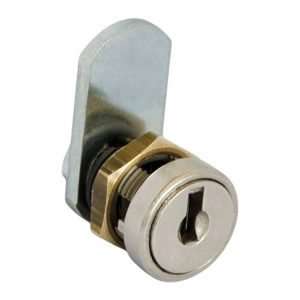
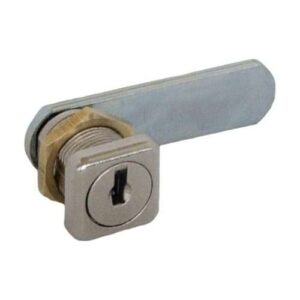
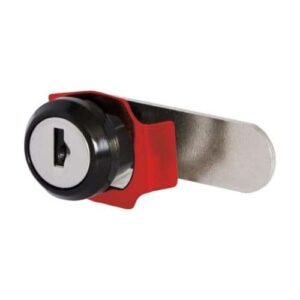
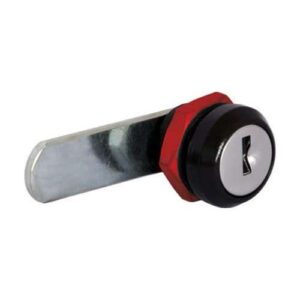
OMR Locks industrial locking systems are designed for security, functionality and durability in professional and industrial applications. Ideal for technical cabinets, workshop furniture, electrical panels, and professional furnishings, they offer a wide variety of mechanisms, keys, and modes of attachment. Available with standard or special shaped positions, single or mixed keyed alike keys, and controlled extraction systems, they fit metal, plastic, or engineered wood structures. Technical finishes (chrome, stainless, galvanized) and different lengths make these systems versatile for every design need. With bore diameters from 13 to 25 mm and 1/4-turn, plate-cylinder or pin tumbler mechanisms, they ensure precise installation and reliable sealing even in complex industrial environments.
Filtra i prodotti
Showing 1–30 of 72 results
-

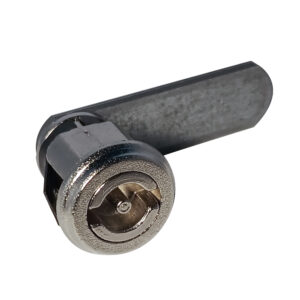
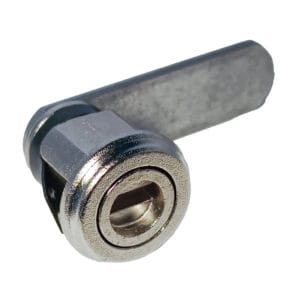
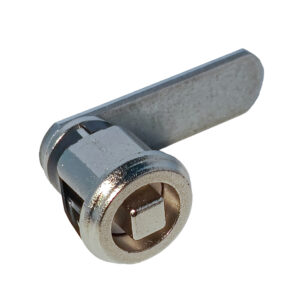
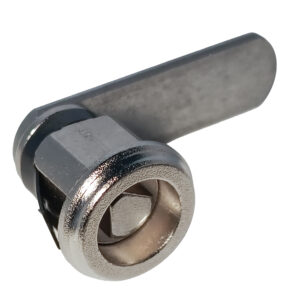
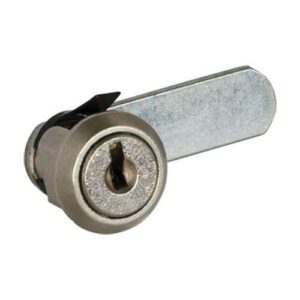
Budget lock with barrel under spring, quick installation, double barb key
-
Budget lock with barrel under spring, quick installation, screwdriver key
-
Budget lock with barrel under spring, quick installation, square shape (Q7)
-
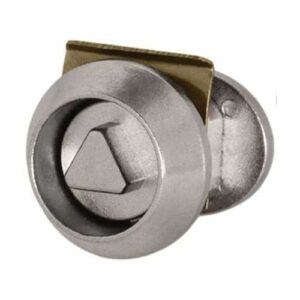
Budget lock with barrel under spring, quick installation, triangular T6 shape
-
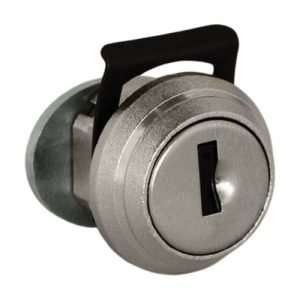
Budget lock with barrel under spring, quick installation, with handle
-
Cross key lock for mortise lock
-
Lock for furniture shutter – key cylinder + side hooks
-
Lock for roller shutters and sliding doors with double spring hooks
-
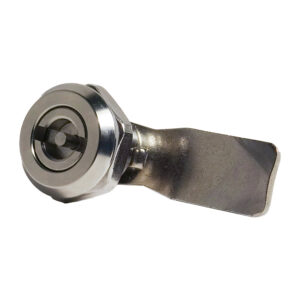
Stainless steel double barb – 3 mm Pin budget lock
-
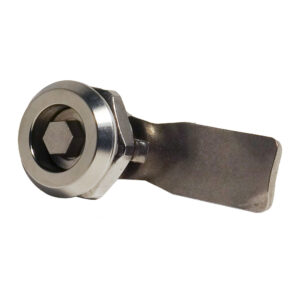
Stainless steel hexagon budget lock
-
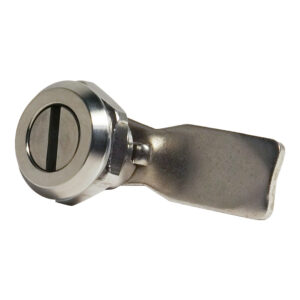
Stainless steel screwdriver budget lock
-
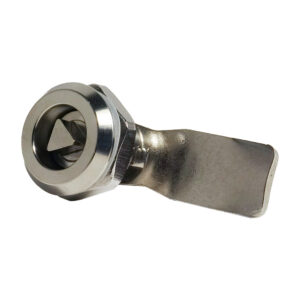
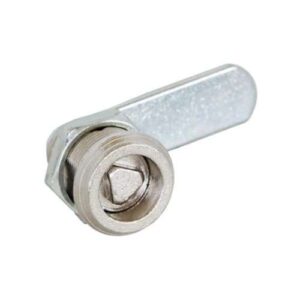
Stainless steel triangle budget key lock
-
Triangle 5 socket key lock with horseshoe clip attachment
-
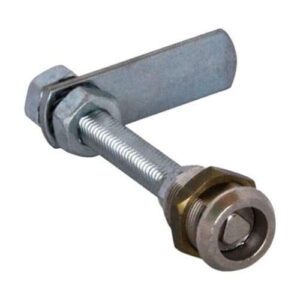
Triangle shape extension key lock 6
-
Triangle socket key lock 6
-
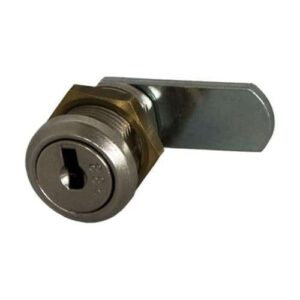
Universal Plate-Cylinder Cam Lock
1,00€ -
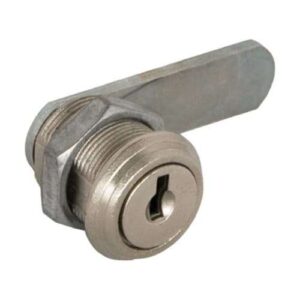
Universal cam lock quick fastening
-
Universal Plate-cylinder Cam Lock Ø 19
-
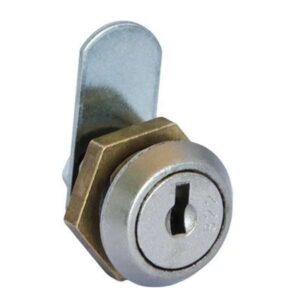
Universal Cam Lock
-
Universal cam lock Ø 18
-
Mini plate-cylinder camlock
-
Universal square head lock
-
Rim Cam Lock with Dust Shutter and Horseshoe Clip Fixing
-
Universal lock with dust shutter and nut
-
Universal cam lock with square jig
-
Microhandle with lock
-
Cam lock with oversize head
-
Universal pin tumbler lock with offset rotor
0,00€ -
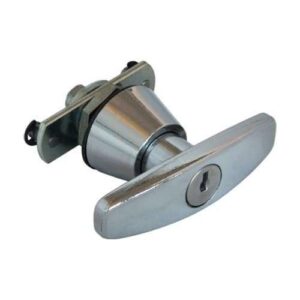
T-handle with lock, chrome finish
-
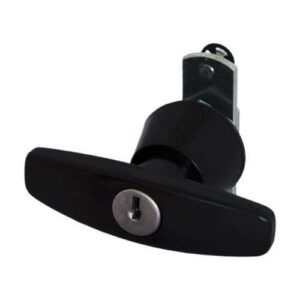
T-handle with lock, black
FOCUS
FAQ
What are the main applications of locking systems for industry?
Industrial locking systems are used on technical cabinets, workshop furniture, electrical enclosures, service carts, and professional furniture. They offer secure and customizable solutions to protect equipment and tools in manufacturing, plant and contract settings.
How to choose the right type of key for an industrial application?
The choice depends on the level of security required and the management of the openings: cipher keys (reversible or non-reversible) offer more control than standard fingerprints such as triangular or screwdriver. For technical applications, cross keys or special imprints are also used.
What is the importance of the internal mechanism in lock selection?
The internal mechanism determines the mode of operation and strength of the lock. Plate-cylinder or pin tumbler systems provide greater mechanical security, while models with 1/4-turn pressure are ideal for quick openings on doors or technical panels.