Door locks
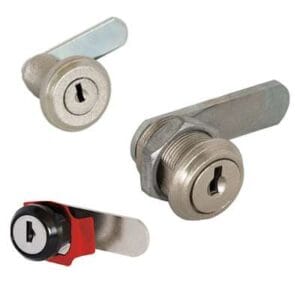
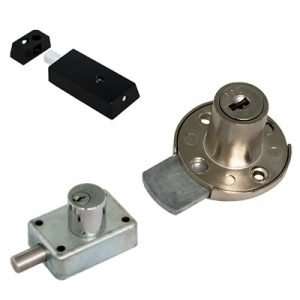
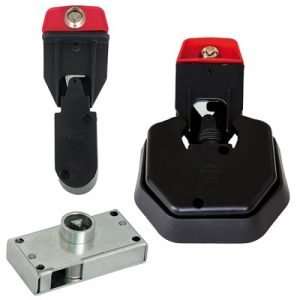
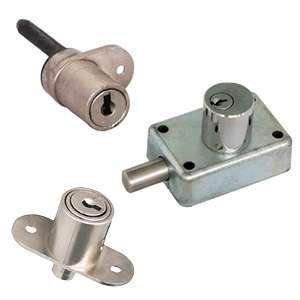
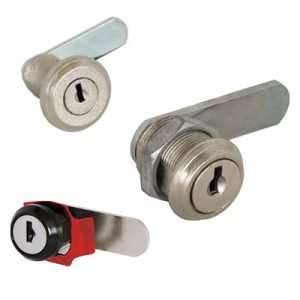
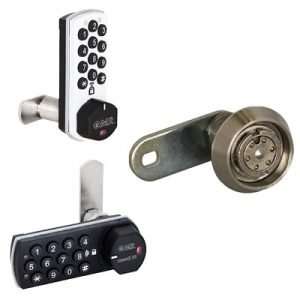
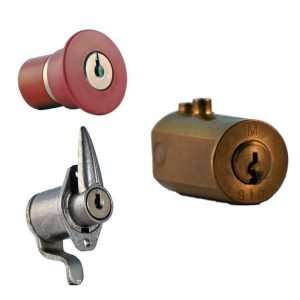
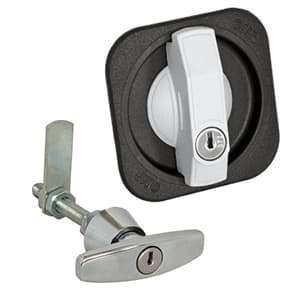
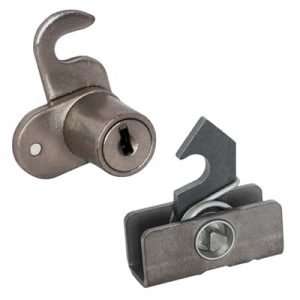
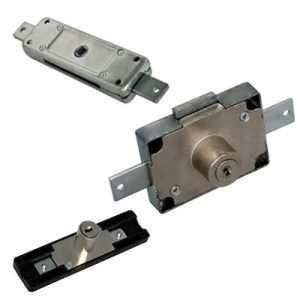
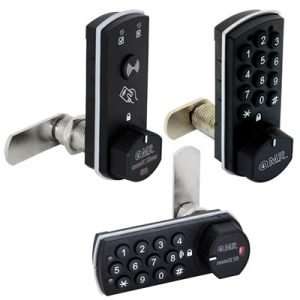
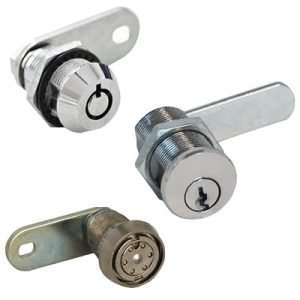
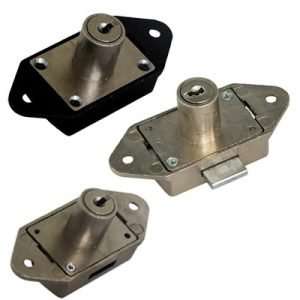
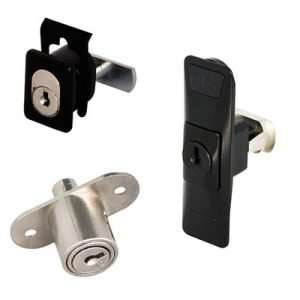
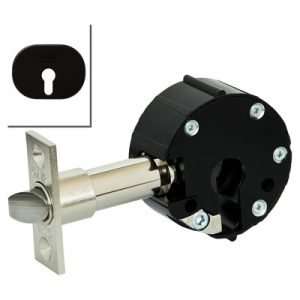
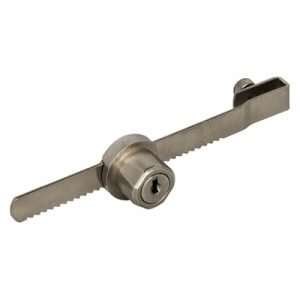
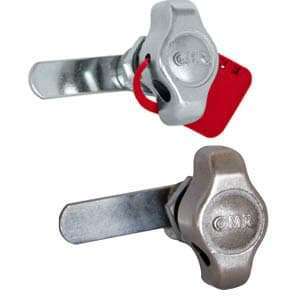
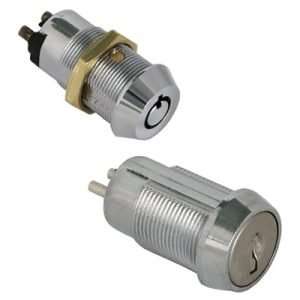
OMR door locks are designed for security, functionality and compatibility with technical and industrial furniture. Ideal for hinged or sliding doors, they find application in electrical cabinets, metal containers, professional furniture and modular structures. Available in mechanical, electronic or hybrid versions, they integrate locking systems with deadbolt, rack and pinion or rotating rods. A variety of finishes, materials (steel, technopolymer, die-cast metal) and fastening systems (screws, nuts, horseshoe clips) allow flexible installation on wood, metal, glass or plastic. Key options include flat key solutions, RFID, NFC, or numeric combinations, for customized access management.
Showing 1–32 of 73 results
-

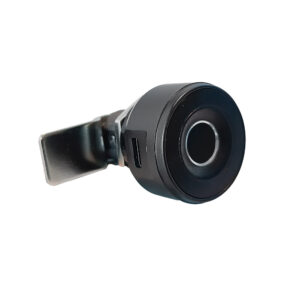
Biometric fingerprint lock – BioLock
-
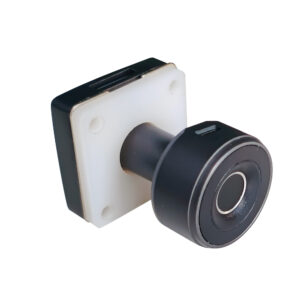
Biometric fingerprint lock for drawers – BioLock Drawers
-
Budget lock with barrel under spring, quick installation, double barb key
-
Budget lock with barrel under spring, quick installation, screwdriver key
-
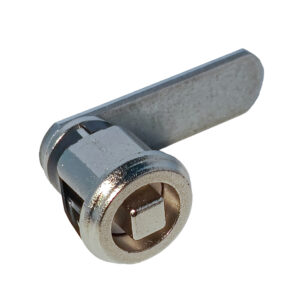
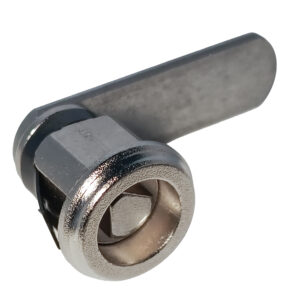
Budget lock with barrel under spring, quick installation, square shape (Q7)
-
Budget lock with barrel under spring, quick installation, triangular T6 shape
-
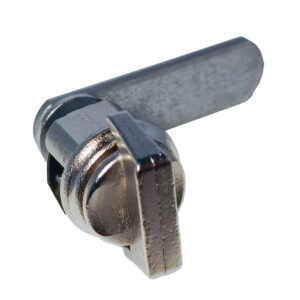
Budget lock with barrel under spring, quick installation, with handle
-
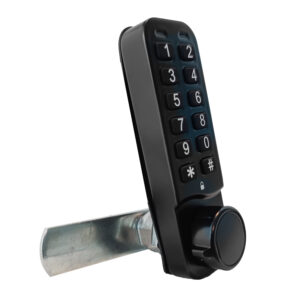
Electronic combination lock
-
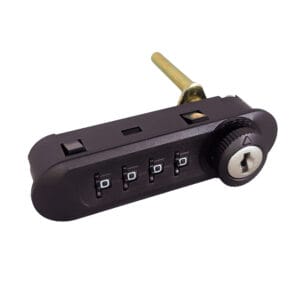
Linear mechanical combination lock with security key
0,00€ -
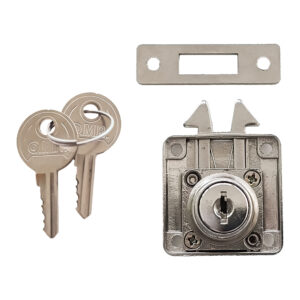
Lock for roller shutters and sliding doors with double spring hooks
-
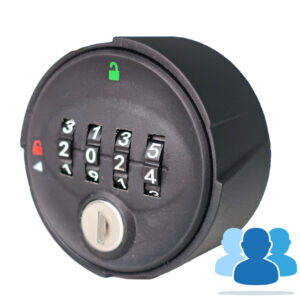
Mechanical combination lock with key – public mode
-
Mechanical combination lock with rear hooked cams
-
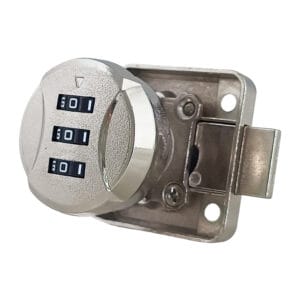
Mechanical combination lock with through-bolt
-
Push-button lock with rear cam
-
Rack and pinion lock with mechanical combination knob
-
Tool operated slamlock with notched cam
0,00€ -
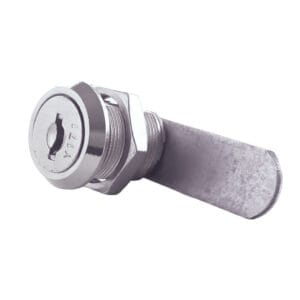
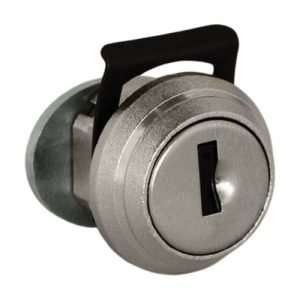
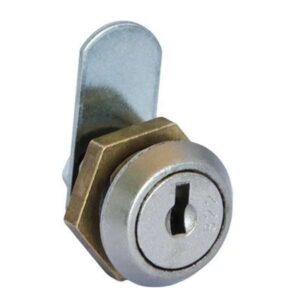
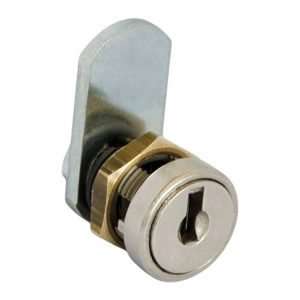
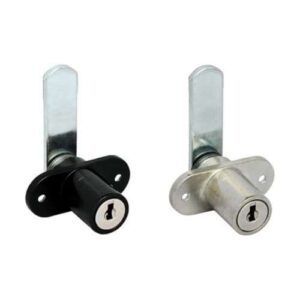
Universal Plate-Cylinder Cam Lock
Price range: 0,00€ through 1,00€ -
Mailbox cam lock
-
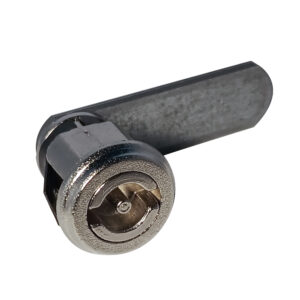
Universal cam lock quick fastening
0,00€ -
Latch lock with return spring and hook cams
-
Universal Plate-cylinder Cam Lock Ø 19
0,00€ -
Universal Wafer Camlock with reversible key
0,00€ -
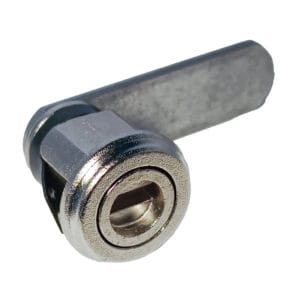
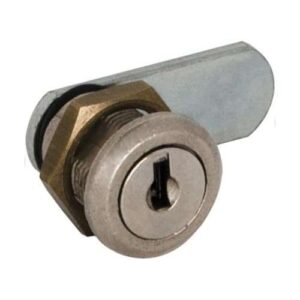
Universal Cam Lock
-
Universal cam lock Ø 18
-
Mini plate-cylinder camlock
0,00€ -
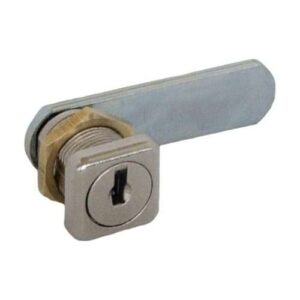
Universal square head lock
-
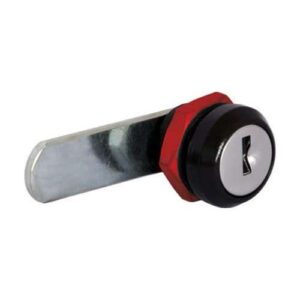
Rim Cam Lock with Dust Shutter and Horseshoe Clip Fixing
0,00€ -
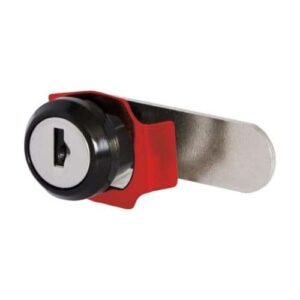
Universal lock with dust shutter and nut
-
Universal cam lock with square mounting hole
-
Cam lock with double flange for screw fixing
0,00€ -
Cam lock with oversize head
0,00€ -
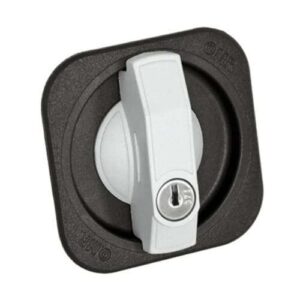
Square base handle
0,00€

FOCUS
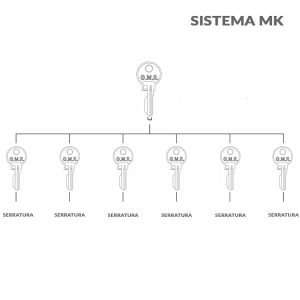
To choose the correct door lock, first check the type of opening (hinged or sliding) and the material of the substrate (wood, metal, glass). Locks with a rack or rotating rods are ideal for double or large sashes. For access-controlled applications, opt for electronic versions with RFID or PIN technology. Fastening can be by screw, nut or horseshoe clip depending on the cabinet structure. The different ciphers available (KA, KD or passe-partout) allow for centralized or individual key management.
FAQ
What are the main applications of door locks in industry?
Door locks are mainly used on technical cabinets, control panels, metal containers, and professional furniture. They offer secure locking solutions for hinged or sliding doors in industrial, plant and contract environments.
How to choose the most suitable locking system for a technical door?
The choice depends on the type of door and the level of security required. Deadbolt locking systems are simple and robust; rack and pinion systems or traversing rods offer greater hold on double doors; electronic solutions with RFID or PIN are ideal for shared-use or access-controlled environments.
What materials and finishes are available for door locks?
OMR door locks are made of steel, die-cast metal, technopolymer, or plastic, with finishes ranging from chrome-plated to galvanized, stainless steel, or black. The choice of material and finish depends on the environment of use and the aesthetic or corrosion resistance requirements.
-
Cam locks (83)
-
Master key locks (71)
-
Waterproof/stainless locks (36)
-
1/4-turn budget locks (34)
-
Detachable barrel locks (27)
-
Deadbolt locks (21)
-
Locks for waste bins (20)
-
Handles and knobs (18)
-
Pivot locks (17)
-
Universal Wafer Cam locks (16)
-
Reprogrammable locks (13)
-
Special custom-made locks (13)
-
Locks with swivel handles (12)
-
Combination locks (10)
-
Camlocks with notched cam (10)
-
Multi-point locks (9)
-
Electronic locks for cabinets, drawers, doors (7)
-
Locks with return spring (7)
-
Universal pin tumbler locks (7)
-
Microlocks (6)
-
Locks with rotating rods (6)
-
Push-button locks (5)
-
Cross key locks (5)
-
OTTO Series (4)
-
Ratchet lock (3)
-
Padlockable locks (2)
-
Electric contact locks (2)