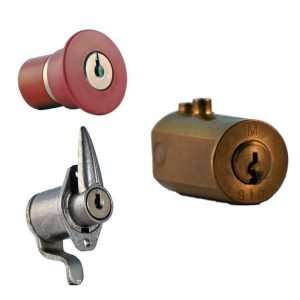
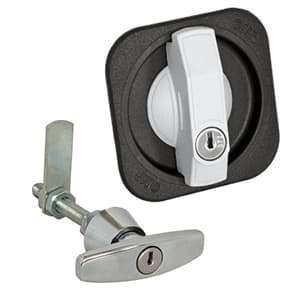
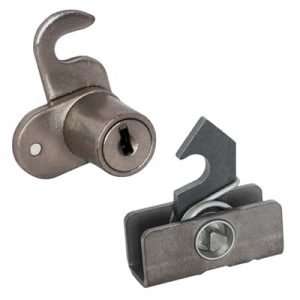
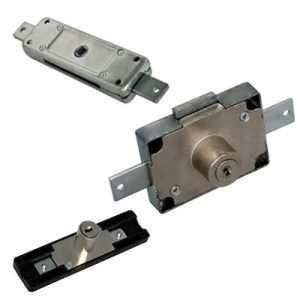
Locks for hazardous substances cabinets
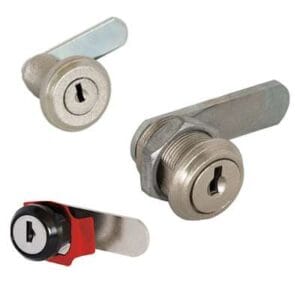
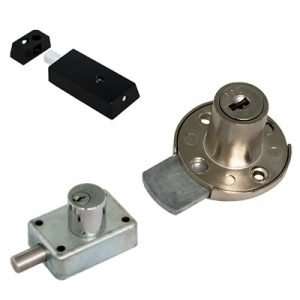
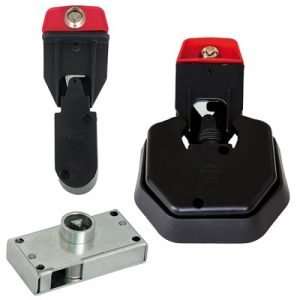
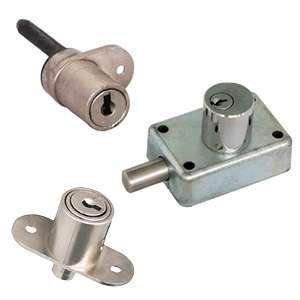
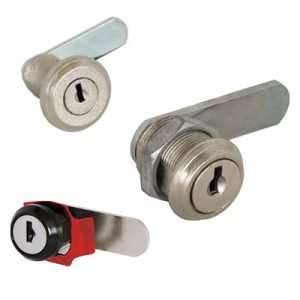
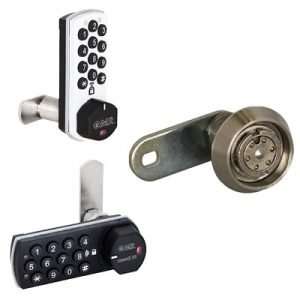
OMR Locks’ locks for hazardous substances cabinets are designed for maximum security and reliability in professional applications where controlled containment of chemical, flammable or toxic materials is required. These locking systems for technical cabinets are distinguished by the variety of mechanisms available (cam, deadbolt, espagnolette), high mechanical strength and compatibility with hinged doors, drawers, shutters and lids. Available in different ciphers (KA, KD, passe-partout) and technical finishes (stainless, galvanized, nickel-plated), they can be installed on metal or engineered wood supports. Ideal for industrial environments, laboratories, plants and regulated sectors.
Showing all 23 results
-

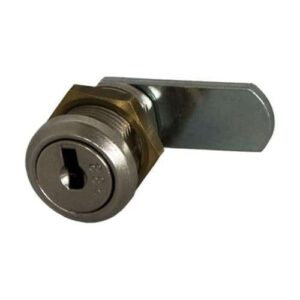
Universal Plate-Cylinder Cam Lock
Price range: 0,00€ through 1,00€ -
Universal cam lock quick fastening
0,00€ -
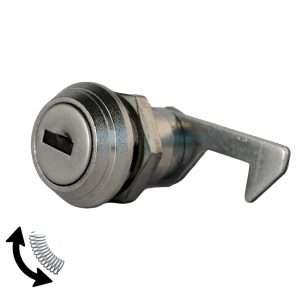
Latch lock with return spring and hook cams
-
Universal Plate-cylinder Cam Lock Ø 19
0,00€ -
Universal Wafer Camlock with reversible key
0,00€ -
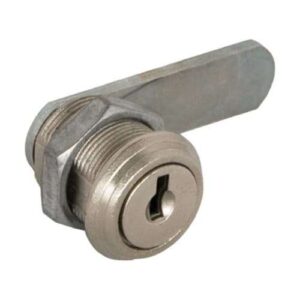
Universal Cam Lock
-
Universal cam lock Ø 18
-
Mini plate-cylinder camlock
0,00€ -
Universal square head lock
-

Universal Stainless Steel Barrels Cam Lock
0,00€ -
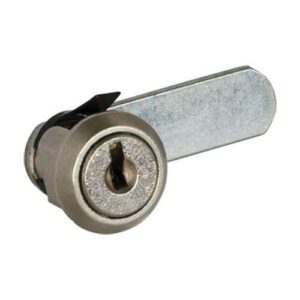
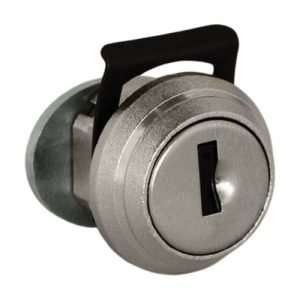
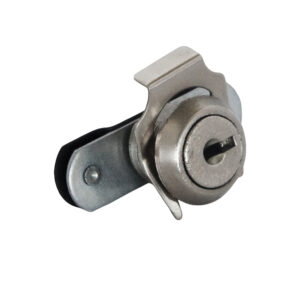
Rim Cam Lock with Dust Shutter and Horseshoe Clip Fixing
0,00€ -
Universal lock with dust shutter and nut
-
Universal cam lock with square mounting hole
-
Cam lock with oversize head
0,00€ -
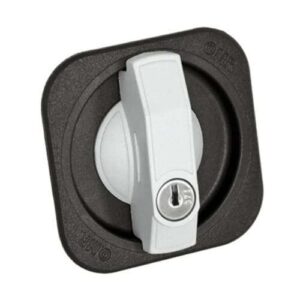
Square base handle
0,00€ -
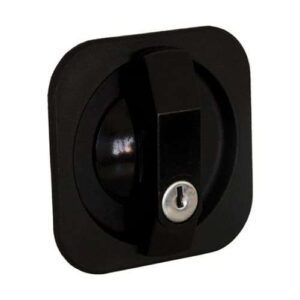
Black square base handle
0,00€ -
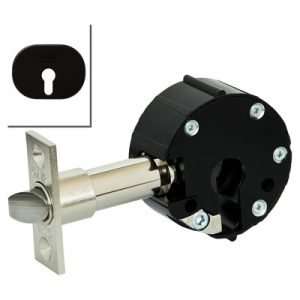
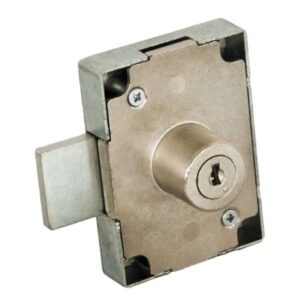
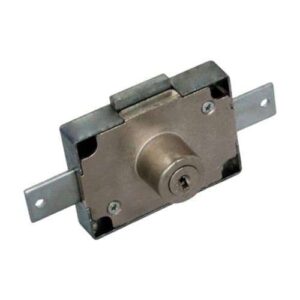
Single-point dead bolt lock
0,00€ -
3-point deadbolt lock
0,00€ -
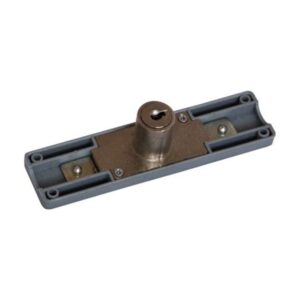
Plastic plate-cylinder 2-point cremone bolts
0,00€ -
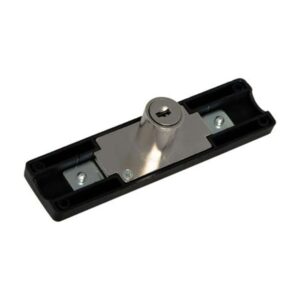
Black plastic 2-point plate-cylinder cremone bolts
0,00€ -
Universal Multi-point Cam Lock
0,00€ -
Latchlock for padlock
0,00€ -
Latchlock for padlock – With seal hole
0,00€

FOCUS
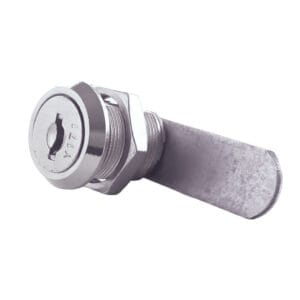
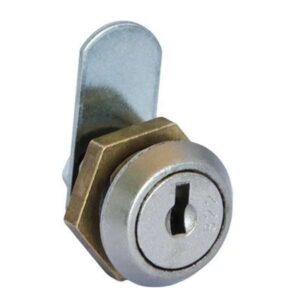
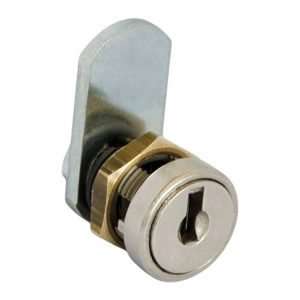
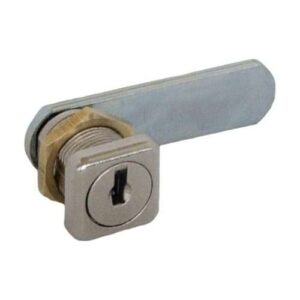
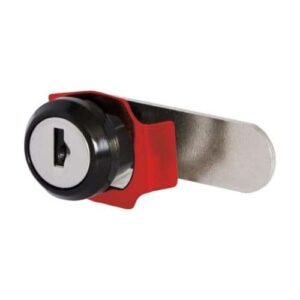
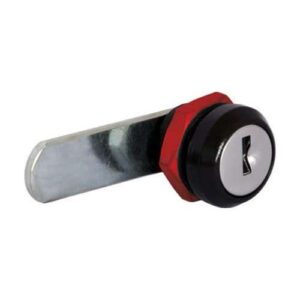
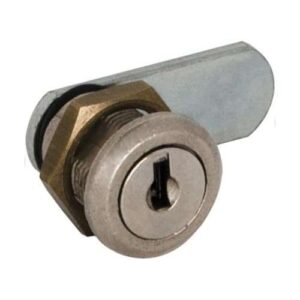
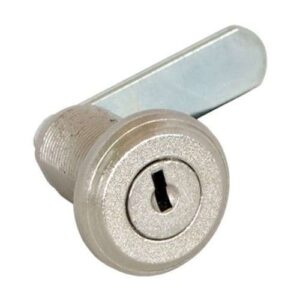
To choose the right lock for a hazardous substance cabinet, consider the type of lock (shifting rod espagnolette or multi-point cams) based on the level of security required. Die-cast metal versions with a stainless finish offer greater corrosion resistance. Check the hole diameter (13 to 23.5 mm) and type of fastener (nut or screw) for proper installation. Options with electrical contact are ideal for integrating monitoring or alarm systems.
FAQ
What is the main function of locks for hazardous substance cabinets?
These locks are designed to prevent unauthorized access to industrial containers intended for the storage of chemicals or potentially harmful substances, ensuring security, traceability and regulatory compliance in professional settings.
What types of locking are most suitable for double door cabinets?
For cabinets with double doors, it is advisable to use locks with translating rod espagnolette or multi-point cams, which provide symmetrical and robust multi-point locking, increasing burglary resistance and door stability.
Can these locks be installed on metal and wood cabinets?
Yes, OMR hazardous substance cabinet locks are compatible with both metal frames and engineered wood panels (MDF, HPL), thanks to the variety of available fasteners and different hole sizes and body lengths.
-
Cam locks (83)
-
Master key locks (71)
-
Waterproof/stainless locks (36)
-
1/4-turn budget locks (34)
-
Detachable barrel locks (27)
-
Deadbolt locks (21)
-
Locks for waste bins (20)
-
Handles and knobs (18)
-
Pivot locks (17)
-
Universal Wafer Cam locks (16)
-
Reprogrammable locks (13)
-
Special custom-made locks (13)
-
Locks with swivel handles (12)
-
Combination locks (10)
-
Camlocks with notched cam (10)
-
Multi-point locks (9)
-
Electronic locks for cabinets, drawers, doors (7)
-
Locks with return spring (7)
-
Universal pin tumbler locks (7)
-
Microlocks (6)
-
Locks with rotating rods (6)
-
Push-button locks (5)
-
Cross key locks (5)
-
OTTO Series (4)
-
Ratchet lock (3)
-
Padlockable locks (2)
-
Electric contact locks (2)