Industrial cabinet locks
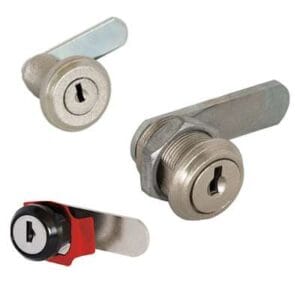
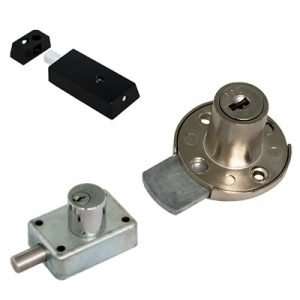
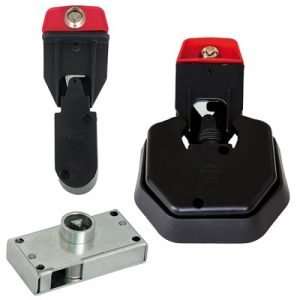
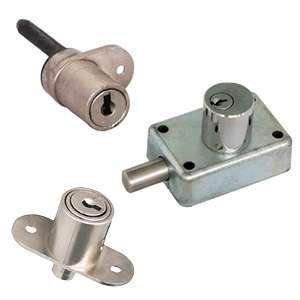
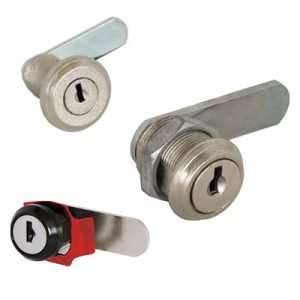
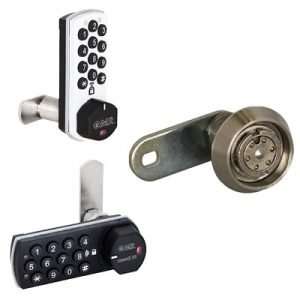
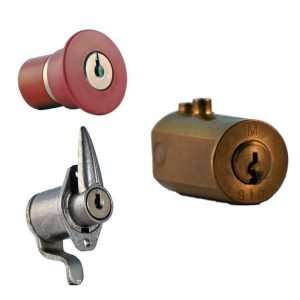
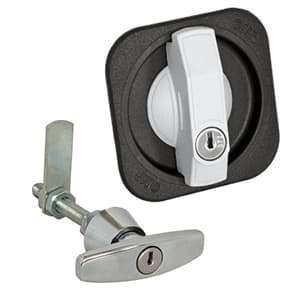
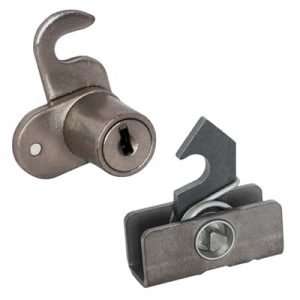
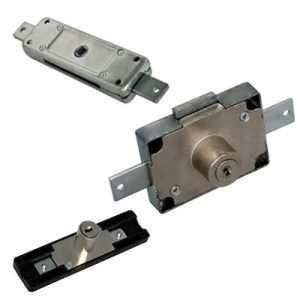
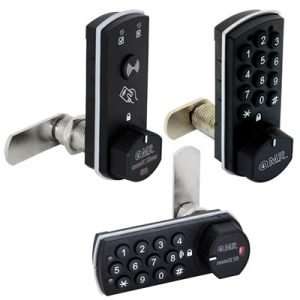
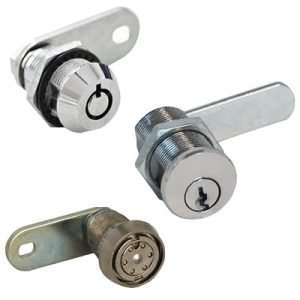
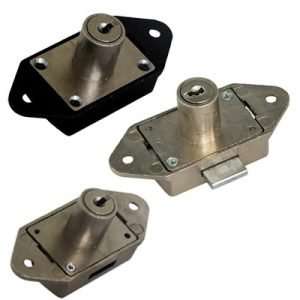
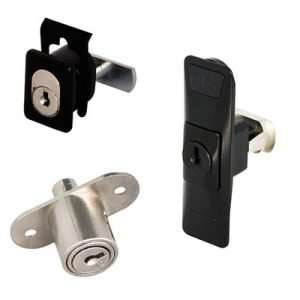
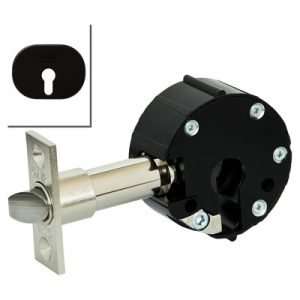
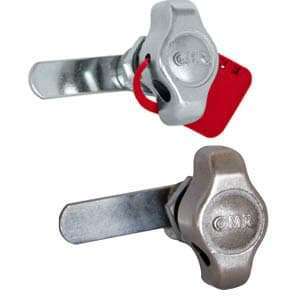
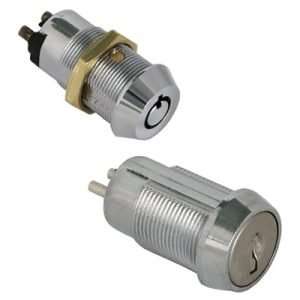
OMR industrial cabinet locks are designed for security, functionality and compatibility with a wide range of technical furniture and professional furnishings. Ideal for hinged or sliding doors, drawer cabinets, and shutters, these industrial locks are distinguished by a variety of mechanisms (deadbolt, cam, rack, electronic), attachment methods (screw, nut, horseshoe clip, riveting), and materials (steel, stainless steel, technopolymer). Available in different finishes and hole diameters (13 to 25 mm), they can be installed on metal, wood, plastic or glass. Perfect for applications in electrical panels, industrial plants, technical furniture and automation systems.
Showing 1–32 of 47 results
-

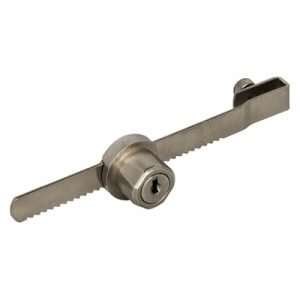
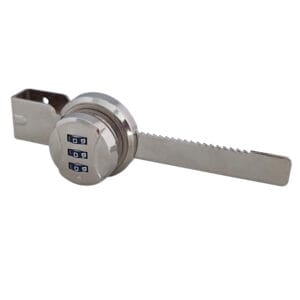
Rack and pinion lock with mechanical combination knob
-
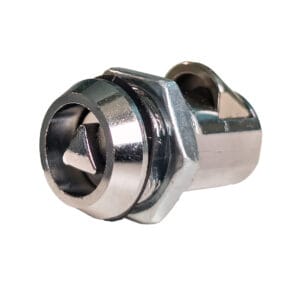
Socket key lock with triangular shape 6 – spring-return latch
-
Stainless steel double barb – 3 mm Pin budget lock
-
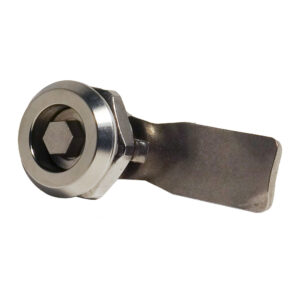
Stainless steel hexagon budget lock
-
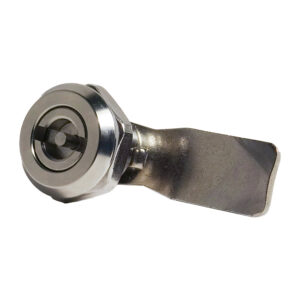
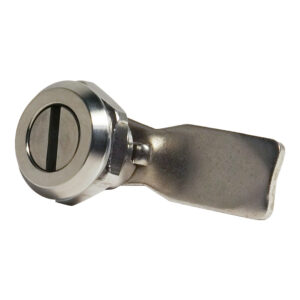
Stainless steel screwdriver budget lock
-
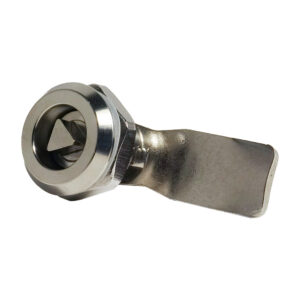
Stainless steel triangle budget key lock
-
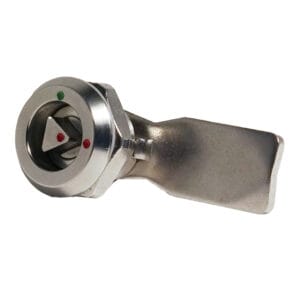
Stainless steel triangle socket key lock – with status indicators
-
Universal Plate-Cylinder Cam Lock
Price range: 0,00€ through 1,00€ -
Universal cam lock quick fastening
0,00€ -
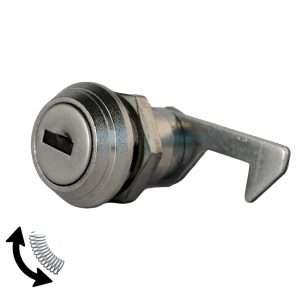
Latch lock with return spring and hook cams
-
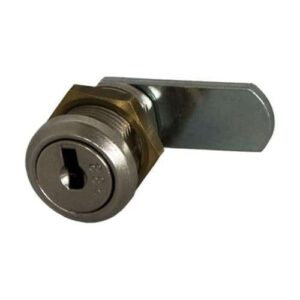
Universal Plate-cylinder Cam Lock Ø 19
0,00€ -
Universal Wafer Camlock with reversible key
0,00€ -
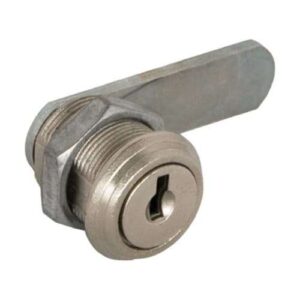
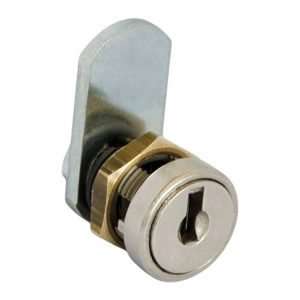
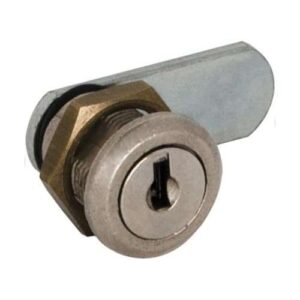
Universal Cam Lock
-
Universal cam lock Ø 18
-
Mini plate-cylinder camlock
0,00€ -
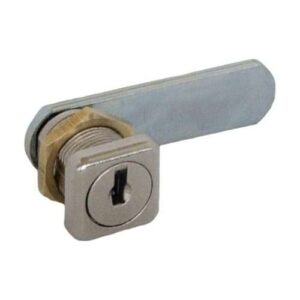
Universal square head lock
-

Universal Stainless Steel Barrels Cam Lock
0,00€ -
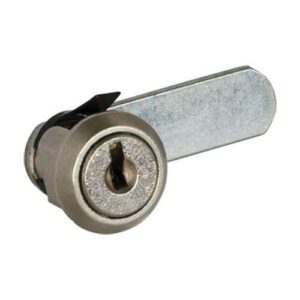
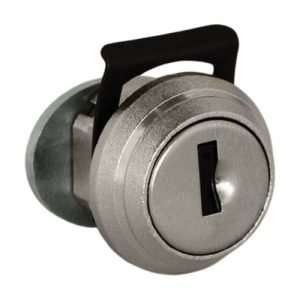
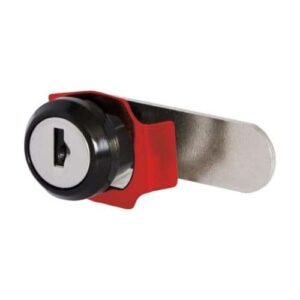
Rim Cam Lock with Dust Shutter and Horseshoe Clip Fixing
0,00€ -
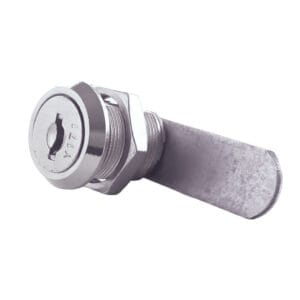
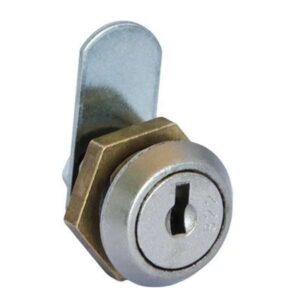
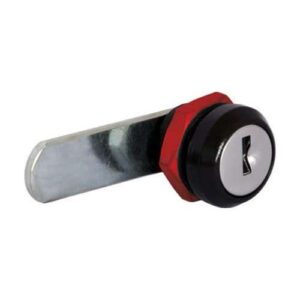
Universal lock with dust shutter and nut
-
Universal cam lock with square mounting hole
-
Microhandle with lock
0,00€ -
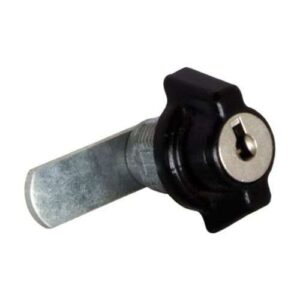
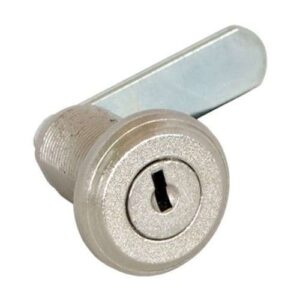
Cam lock with oversize head
0,00€ -
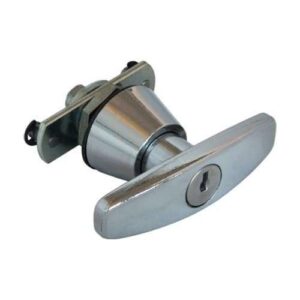
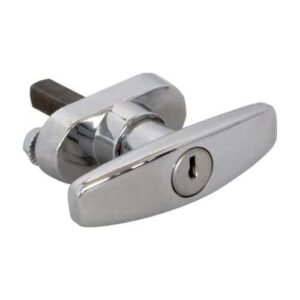
T-handle with lock, chrome finish
0,00€ -
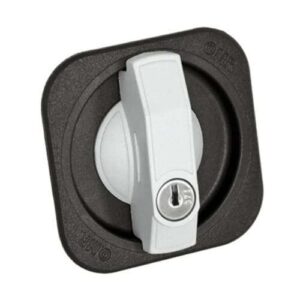
Square base handle
0,00€ -
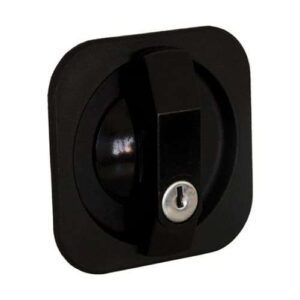
Black square base handle
0,00€ -
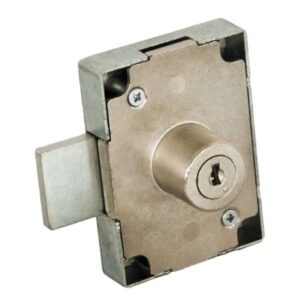
Single-point dead bolt lock
0,00€ -
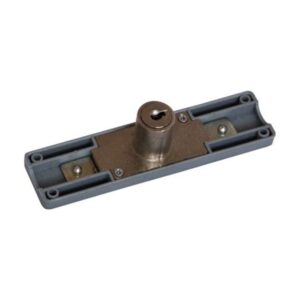
Plastic plate-cylinder 2-point cremone bolts
0,00€ -
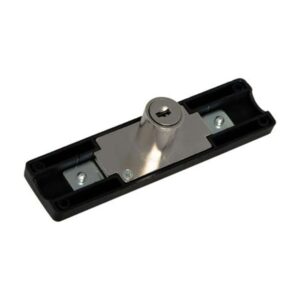
Black plastic 2-point plate-cylinder cremone bolts
0,00€ -
T-handle with lock
-
2-point Crémone bolt
0,00€ -
3-point crémone bolt
0,00€ -
Universal Multi-point Cam Lock
0,00€



FOCUS
To choose the right lock for industrial cabinets, consider the type of door (hinged or sliding) and the cabinet material (metal, wood, plastic, or glass). Locks are available with 1/4 turn, plate-cylinder or rack mechanisms. Fastening can be by screws, nuts or horseshoe clips depending on the thickness of the door. Keys can be standard, encrypted or electronic (PIN, RFID), ideal for multiuser environments. Also consider aesthetics: finishes include stainless, chrome, black, and galvanized.
FAQ
What are typical applications of OMR industrial cabinet locks?
OMR industrial cabinet locks are used in technical cabinets for electrical panels, actuator cabinets, professional workshop and laboratory furniture, industrial carts and automated equipment. They are designed for security, durability and compatibility with different materials and door configurations.
What is the most suitable fastening system for thin metal sashes?
For thin metal sashes, the use of quick fasteners such as horseshoe clips or riveting is recommended. These systems ensure a stable grip even on thin thicknesses (1 to 3 mm) without compromising the door structure.
What type of key is preferred for shared use in professional environments?
In shared settings such as laboratories or technical offices, it is preferable to adopt electronic locks with RFID technology or PIN opening. These solutions support multi-user modes and offer greater access control than traditional mechanical keys.
-
Cam locks (83)
-
Master key locks (71)
-
Waterproof/stainless locks (36)
-
1/4-turn budget locks (34)
-
Detachable barrel locks (27)
-
Deadbolt locks (21)
-
Locks for waste bins (20)
-
Handles and knobs (18)
-
Pivot locks (17)
-
Universal Wafer Cam locks (16)
-
Reprogrammable locks (13)
-
Special custom-made locks (13)
-
Locks with swivel handles (12)
-
Combination locks (10)
-
Camlocks with notched cam (10)
-
Multi-point locks (9)
-
Electronic locks for cabinets, drawers, doors (7)
-
Locks with return spring (7)
-
Universal pin tumbler locks (7)
-
Microlocks (6)
-
Locks with rotating rods (6)
-
Push-button locks (5)
-
Cross key locks (5)
-
OTTO Series (4)
-
Ratchet lock (3)
-
Padlockable locks (2)
-
Electric contact locks (2)