
Locks for safe deposit boxes
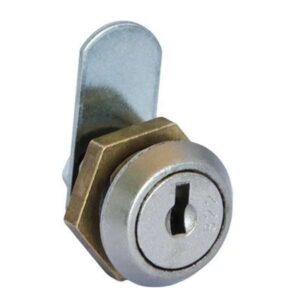
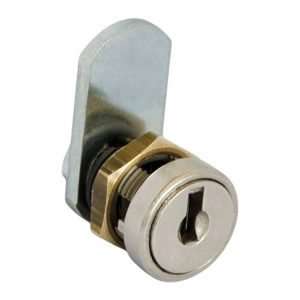
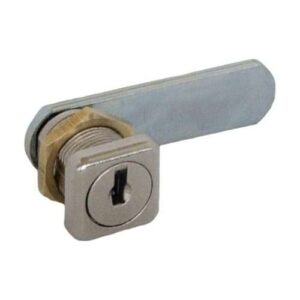
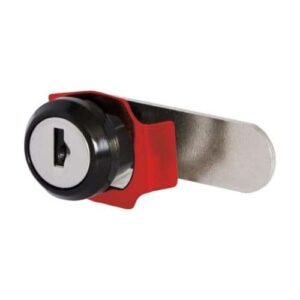
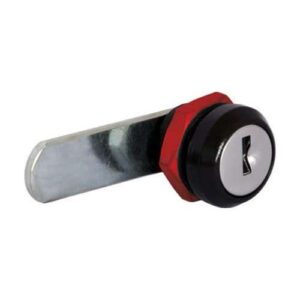
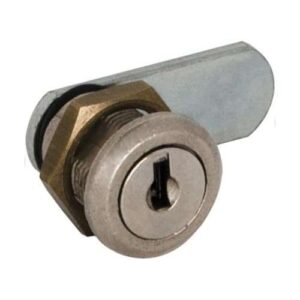
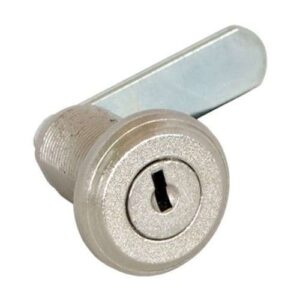
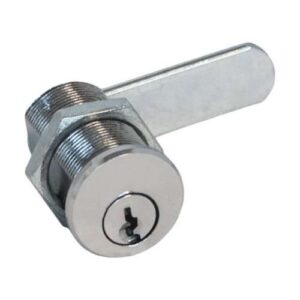
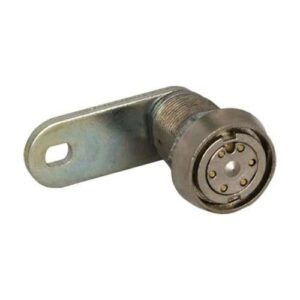
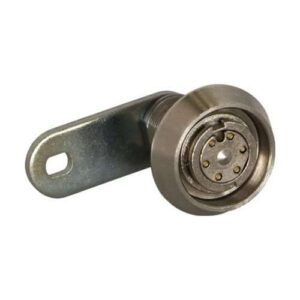
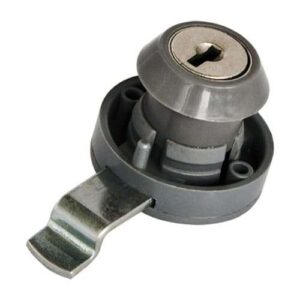
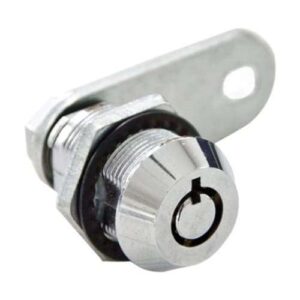
OMR safety box locks are locking systems designed to provide reliability, protection and versatility in professional and industrial settings. Suitable for drawers, hinged doors, lids and shutters, these technical locks are distinguished by a variety of internal mechanisms (plate-cylinder or pin tumbler), key types (cipher, tubular or Jack) and key extraction positions (closed/open, closed only, center position). Available with different ciphers (KA, KD, passe-partout) and rotations, they offer customizable solutions for industrial furniture, technical furnishings and security cabinets. Made of robust materials such as die-cast metal, brass or stainless steel, and offered in chrome, nickel-plated or black finishes, they are an ideal choice for designers and buyers looking for high-performance professional locks.
Filtra i prodotti
Showing all 17 results
-

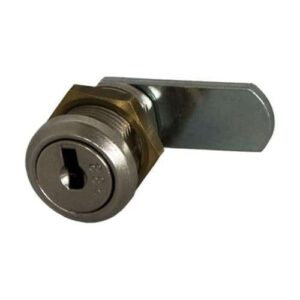
Universal Plate-Cylinder Cam Lock
1,00€ -
Universal cam lock quick fastening
-
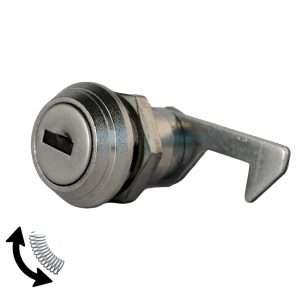
Latch lock with return spring and hook cams
-
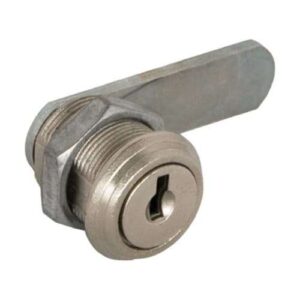
Universal Plate-cylinder Cam Lock Ø 19
-
Universal cam lock Ø 18
-
Mini plate-cylinder camlock
-
Universal square head lock
-
Universal Stainless Steel Barrels Cam Lock
-
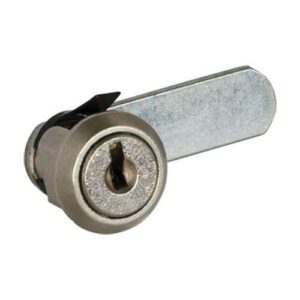
Rim Cam Lock with Dust Shutter and Horseshoe Clip Fixing
-
Universal lock with dust shutter and nut
-
Universal cam lock with square jig
-
Cam lock with oversize head
-
Universal pin tumbler lock with offset rotor
0,00€ -
Jack cam lock
-
Reprogrammable Cam Lock
0,00€ -
Lock for filing cabinets
-
RPT Cam Lock

FOCUS
FAQ
What are the typical applications of OMR safe locks?
These locks are mainly used in industrial furniture, professional furniture and technical cabinets that require secure and durable locking. They are ideal for cash boxes, metal drawers, technical containers and confidential storage systems.
What is the difference between keyed alike (KA) and keyed alike (KD)?
Keyed alike (KA) allows multiple locks to be opened with the same key, which is useful for simplifying management in complex installations. In contrast, keyed alike (KD) provides unique keys for each lock, increasing the level of individual security. Both options can be integrated with passe-partout systems.
What features affect the compatibility of the lock with the cabinet?
The main factors are the diameter of the hole (to be checked between 13 and 20.2 mm), the type of fixing (nut, screw, horseshoe clip, etc.), the length of the lock body, and the type of rotation required by the cabinet. The type of cam or actuator used also affects proper installation and functionality.