
Security furniture locks
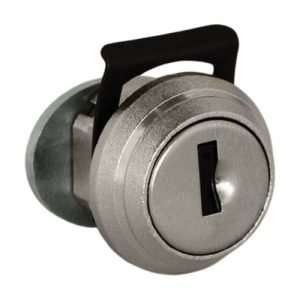
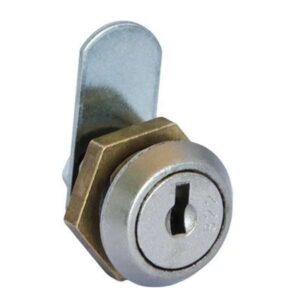
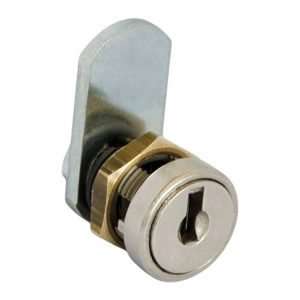
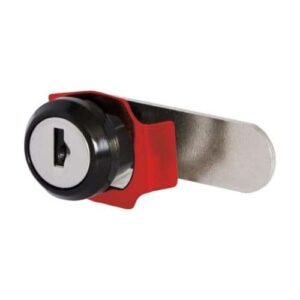
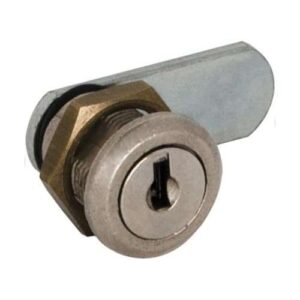
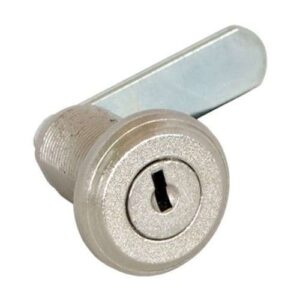
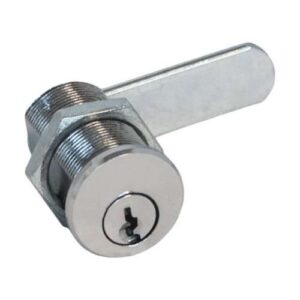
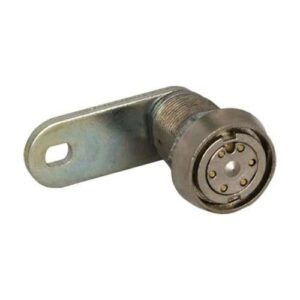
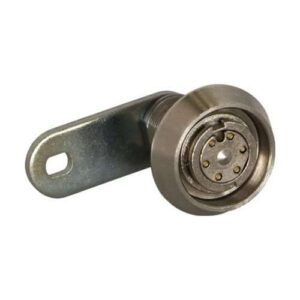
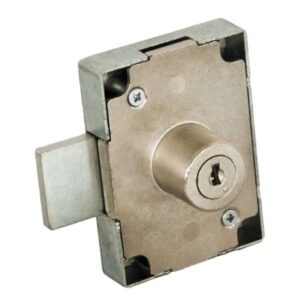
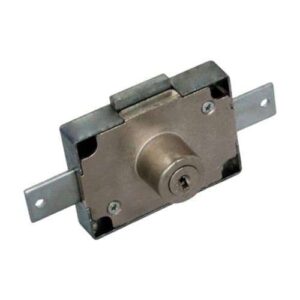
OMR security furniture locks are designed to provide protection, reliability and control in technical furniture and industrial furniture intended for professional settings. Ideal for drawer cabinets, cabinets with hinged doors, shutters, or covers, these locks are distinguished by a variety of internal mechanisms (plate-cylinder, pin tumbler mechanism, espagnolette), modes of attachment (screw, horseshoe clip, nut), and customizable keying systems (KA, KD, passe-partout). Available in a variety of technical finishes and durable materials such as steel, brass, or die-cast metal, they offer versatile solutions for industrial, plant, and contract applications. The range includes cam locks, deadbolt locks, with rotations from 90° to 180° and differentiated key extraction options.
Filtra i prodotti
Showing all 19 results
-

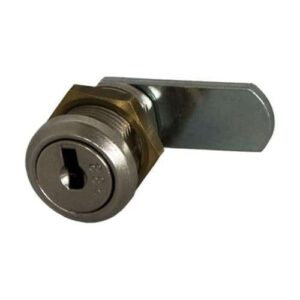
Universal Plate-Cylinder Cam Lock
1,00€ -
Universal cam lock quick fastening
-
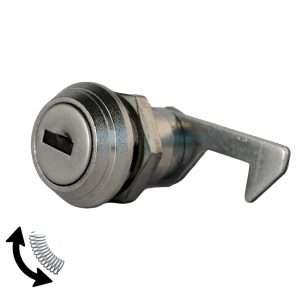
Latch lock with return spring and hook cams
-
Universal Plate-cylinder Cam Lock Ø 19
-
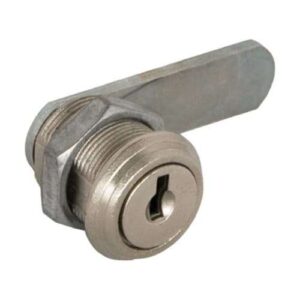
Universal Cam Lock
-
Universal cam lock Ø 18
-
Mini plate-cylinder camlock
-
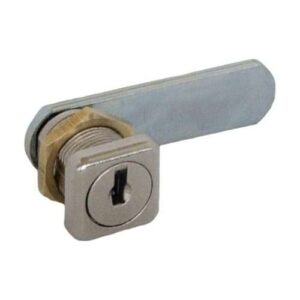
Universal square head lock
-
Universal Stainless Steel Barrels Cam Lock
-
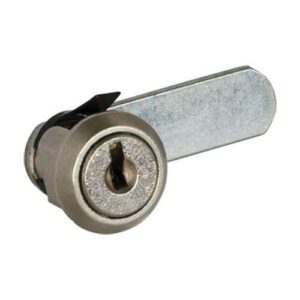
Rim Cam Lock with Dust Shutter and Horseshoe Clip Fixing
-
Universal cam lock with square jig
-
Cam lock with oversize head
-
Universal pin tumbler lock with offset rotor
0,00€ -
Jack cam lock
-
Reprogrammable Cam Lock
0,00€ -
Single-point dead bolt lock
0,00€ -
3-point deadbolt lock
-
Cross key lock
-
RPT Cam Lock

FOCUS
FAQ
In what contexts are security furniture locks used?
Security furniture locks are used in professional and industrial environments where secure access control is required for technical containers, cabinets for confidential documents, operational drawers, or furniture intended for use in offices, laboratories, plants, and contract facilities.
What is the difference between KA and KD encryption in furniture locks?
KA (Keyed Alike) encryption allows multiple locks to be opened with the same key-useful for simplifying access management on multiple furniture. KD (Keyed Differently) encryption assigns a unique combination to each lock, increasing the level of individual security.
How to choose the correct type of fixing for a cabinet lock?
The choice of fastener depends on the cabinet material and mode of installation: screw or nut fasteners offer strength on rigid surfaces; horseshoe clips and riveting are preferred in lightweight structures; and quick fasteners facilitate frequent assembly or quick replacement in production lines.