
Transportation locks
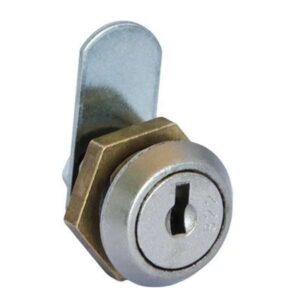
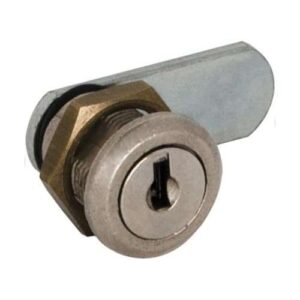
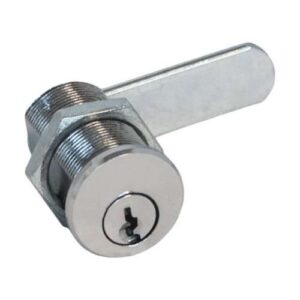
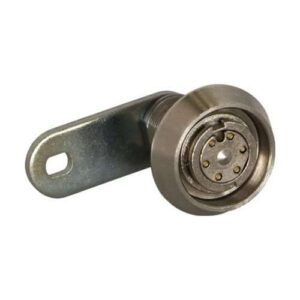
OMR vehicle locks are engineered to ensure high standards of security and mechanical durability in the vehicle, rail, and marine outfitting sectors. Designed to withstand dynamic stress (vibration) and corrosive agents, these solutions are ideal for technical compartments, hinged or sliding doors, toolboxes, and service compartments on vans, RVs, and boats.
The range includes cam and deadbolt mechanisms, available in mechanical and electronic configurations. The use of high-performance materials such asstainless steel and die-cast metal, combined with specific anti-corrosion finishes, ensures maximum operational efficiency even in hostile environments.
Technical specifications and integration
To meet all mounting requirements, the locks are supplied in different lengths and bore diameters, with a wide choice of encryption systems ranging from mechanical keys (toothed, pin tumbler, or with triangular/square technical imprints) to modern digital solutions with RFID, NFC, and Bluetooth technologies.
Scope and safety
OMR Locks supplies components for a wide range of vehicles: from recreational vehicles and refrigerated bodies to sectors requiring high levels of security, such as cash vans, armored vehicles, and military vehicles. Saltwater resistance also makes these locks the standard for the marine industry (cruise ships and professional boats).
Production excellence made in Italy
Every OMR-branded product is entirely designed and manufactured in Italy. Thanks to total control of the supply chain, the company guarantees a high degree of customization and the technical quality characteristic of Made in Italy excellence.
Filtra i prodotti
Showing 1–30 of 46 results
-

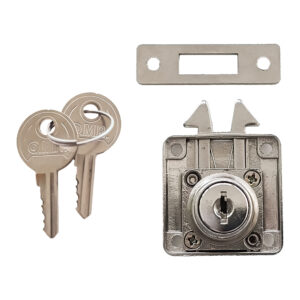
Lock for roller shutters and sliding doors with double spring hooks
-
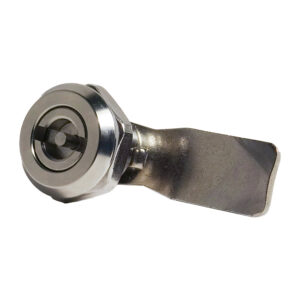
Stainless steel double barb – 3 mm Pin budget lock
-
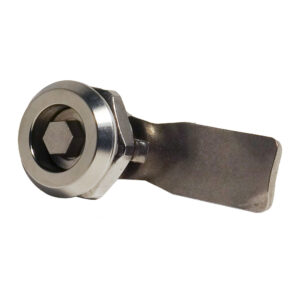
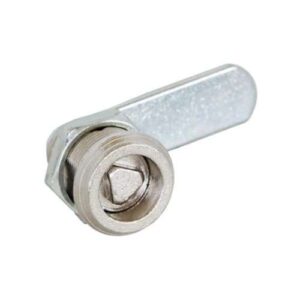
Stainless steel hexagon budget lock
-
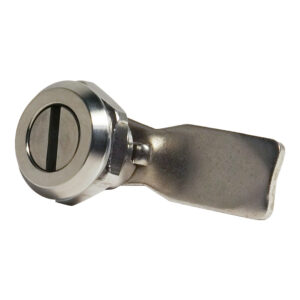
Stainless steel screwdriver budget lock
-
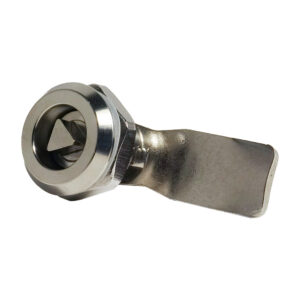
Stainless steel triangle budget key lock
-
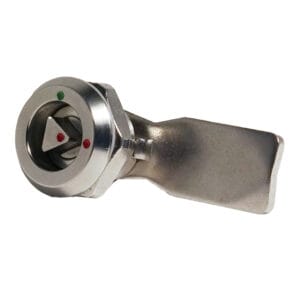
Stainless steel triangle socket key lock – with status indicators
-
Tool operated slamlock with notched cam
-
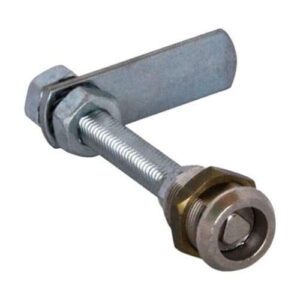
Tool operated cam lock with threaded extension – 6 mm Triangle
-
Tool operated camlock – 6 mm Triangle
-
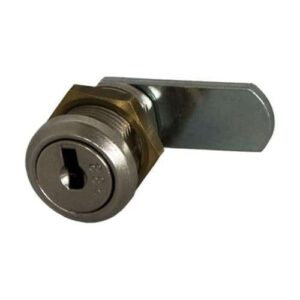
Universal Plate-Cylinder Cam Lock
1,00€ -
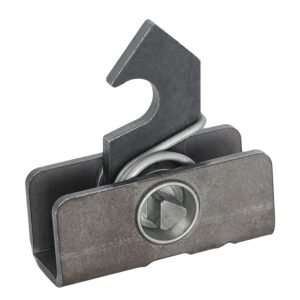
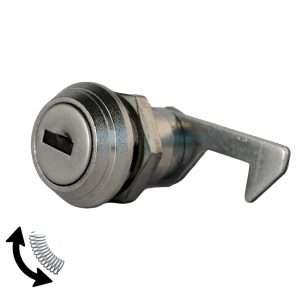
Cam lock with return spring and hook cam (mod. 07)
-
Universal Plate-cylinder Cam Lock Ø 19
-
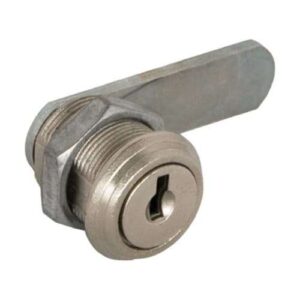
Universal cam lock Ø 18
-
Universal Stainless Steel Barrels Cam Lock
-
Universal cam lock with square jig
-
Universal pin tumbler lock – offset barrel
0,00€ -
Reprogrammable Jack camlock
0,00€ -
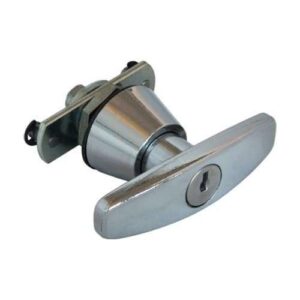
T-handle with lock, chrome finish
-
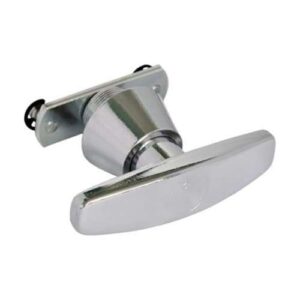
T-handle, chrome finish
-
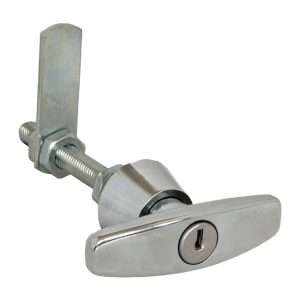
Adjustable T-handle with lock
-
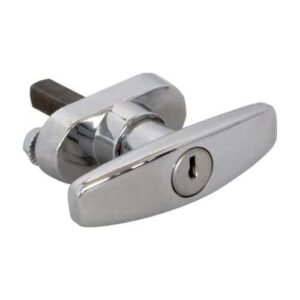
T-handle with lock
-
2-point Crémone bolt
0,00€ -
3-point crémone bolt
0,00€ -
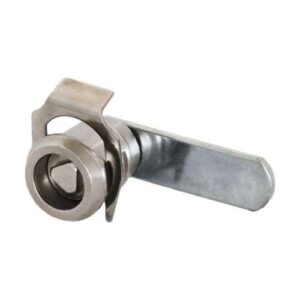
Tool operated camlock with clip fixing – 6 mm Triangle
-
Tool operated cam lock with threaded extension – 7 mm Square
-
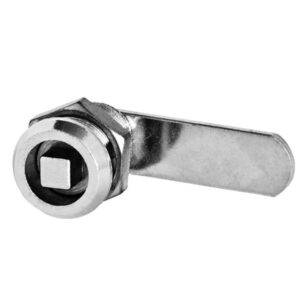
Tool operated cam lock – 7 mm Square
-
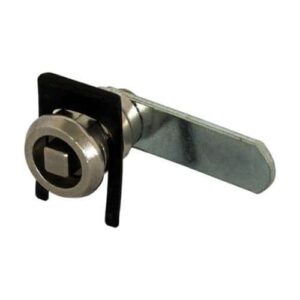
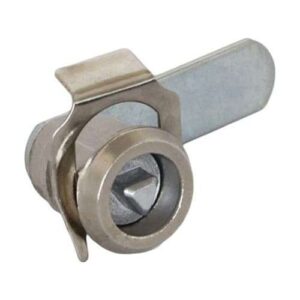
Budget camlock, 7 mm square, with horseshoe clip
-
Triangle budget lock 5 – Ø19
-
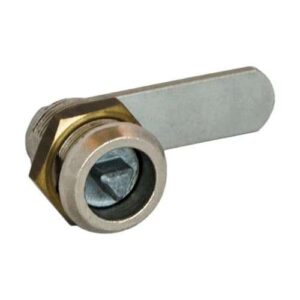
Tool operated cam lock – 5 mm Triangle
-
Double barb camlock – 3 mm Pin





Approfondimento su: Transportation locks
Choosing the right lock for a vehicle requires evaluating a few key aspects:
- Specific application: the first step is to define where the lock will be mounted-on hinged doors, sliding doors, drawers, lids, or hatches. Each application has different requirements in terms of mechanism and footprint, so it is important to start with this before any other evaluation.
- Materials and finishes: vehicles are often exposed to aggressive environments-salt, dust, mud, temperature changes. In these cases, it is essential to choose locks made of stainless steel or with durable finishes such as chrome, galvanized, or nickel-plated, which provide durability and corrosion protection.
- Locking type: on transportation vehicles, vibration is the order of the day and can cause accidental opening. This is why it is preferable to opt for an under-spring rods: unlike a standard lock, it is not enough to turn the key, but it must also be pushed inward to operate the mechanism-a seemingly small detail that makes a big difference in terms of security.
- Type of lock: the choice depends on the type of door. Cam locks are the classic solution for hinged doors; push-button locks are better suited to sliding doors; hook locks are ideal for sliding doors, lids, and hatches. For cabinets with large doors, the most robust solution is the lock with rods, available with two or three locking points: the rods can be translating-which slide up and down-or rotating, with hooks at the ends that engage the frame and provide a superior hold.
- Fastening: the last element to consider is how the lock will be anchored to the vehicle. The fastening must be compatible with the structure and materials of the vehicle: screw mounting is the most common solution and allows for eventual replacements, while welding offers greater strength in heavier contexts.
Domande frequenti su: Transportation locks
Is it possible to have multiple locks that can be opened with the same key on a vehicle or fleet?
Yes, it is a very common solution called a "master key" or master key system. It allows all locks on a vehicle-or an entire fleet-to be opened with a single key, greatly simplifying management, but without having all keys the same, thus preserving security and access management. It must be requested when ordering by specifying the desired key profile.
Do transportation locks withstand continuous vibration?
Yes, as long as you choose the right mechanism. Under-spring rotor locks are specifically designed for this: they require pushing the key inward as well as turning it, preventing accidental openings caused by the vibrations typical of machinery and industrial vehicles.
What does IP rating mean and which one to choose for an industrial vehicle?
The IP (Ingress Protection) rating indicates the lock's resistance to dust and liquids. For industrial media exposed outdoors, a minimum of IP65 (total protection against dust and water jets) is recommended. Ask our sales engineers for more information.