Educational and cultural
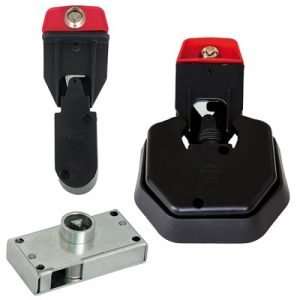
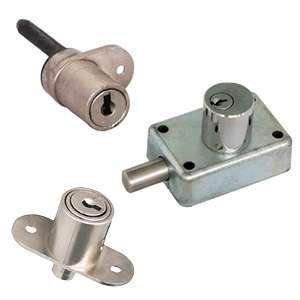
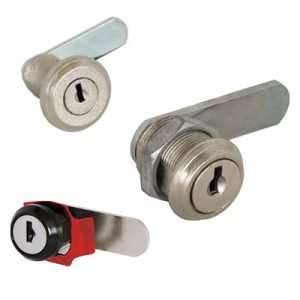
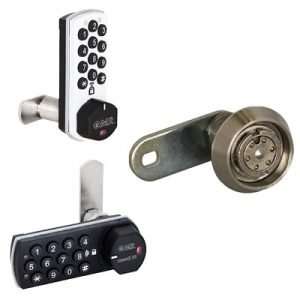
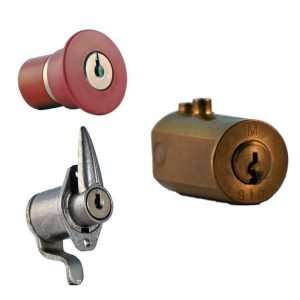
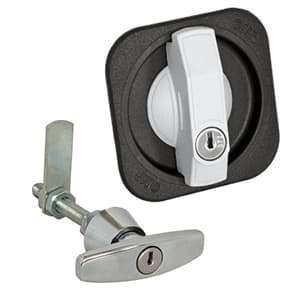
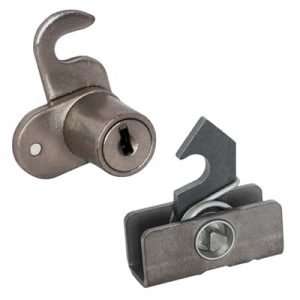
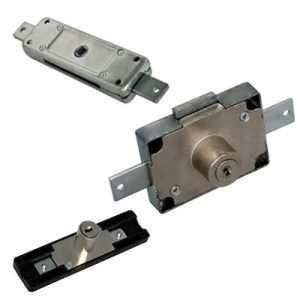
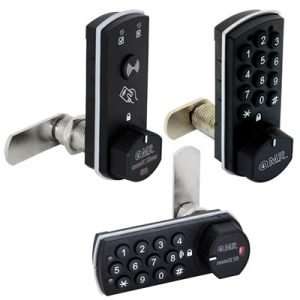
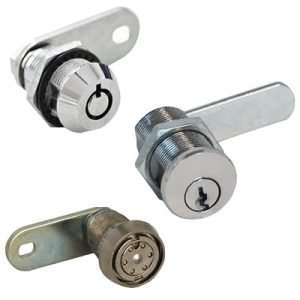
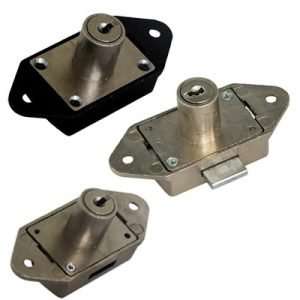
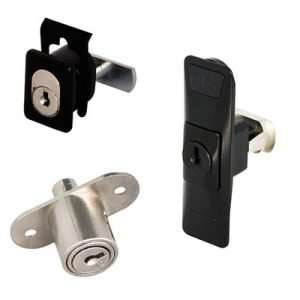
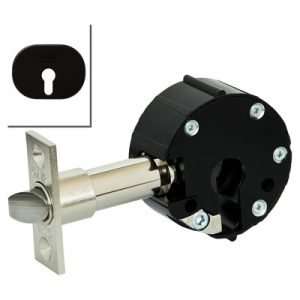
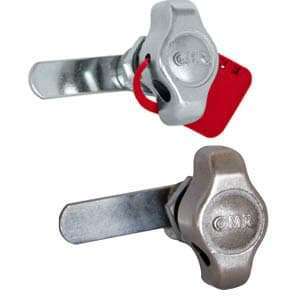
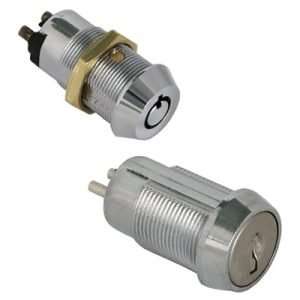
OMR Locks’ locking solutions for the educational and cultural sector are designed to provide security, functionality and durability in high-traffic environments such as schools, libraries, archives and museums. Locks for industrial furniture and technical furnishings offer reliable mechanisms such as racks, deadbolts or cams, with flat key, numeric combination or padlock locking options. Compatible with hinged and sliding doors, drawers and panels, they install on wood, MDF, HPL or metal by screw, rivet or nut fastening. Available in galvanized, nickel-plated or stainless steel finishes, they ensure aesthetic and functional integration in professional settings.
Showing all 18 results
-

Concealed cam locks for modular panels and platforms
-
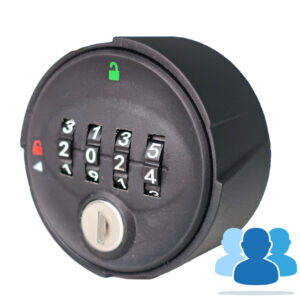
Mechanical combination lock with key – public mode
-
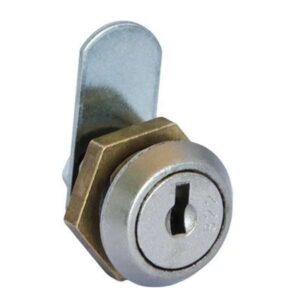
Universal cam lock Ø 18
-
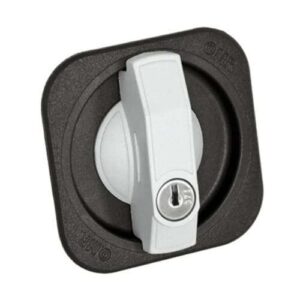
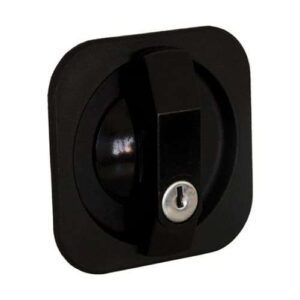
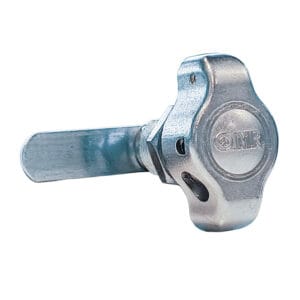
Square base handle
0,00€ -
Black square base handle
0,00€ -
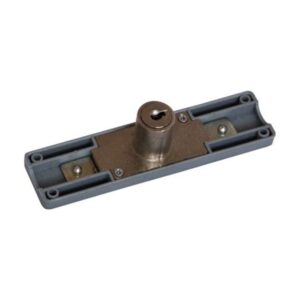
Plastic plate-cylinder 2-point cremone bolts
0,00€ -
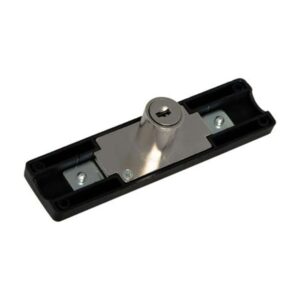
Black plastic 2-point plate-cylinder cremone bolts
0,00€ -
Lock with rotating rods
0,00€ -
Lock with rotating rods – black
0,00€ -
Lock with rotating rods Ø16
0,00€ -
Lock with rotating rods Ø16 black
0,00€ -
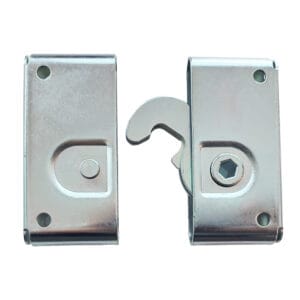
Latchlock for padlock
0,00€ -
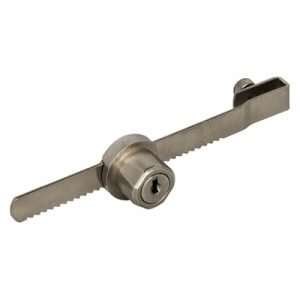
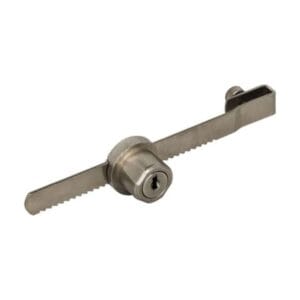
Rack and pinion lock for sliding glass doors
0,00€ -
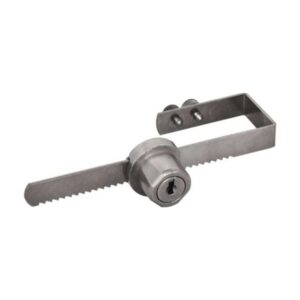
Rack and pinion lock for wooden sliding doors
0,00€ -
Lock for filing cabinets
0,00€ -
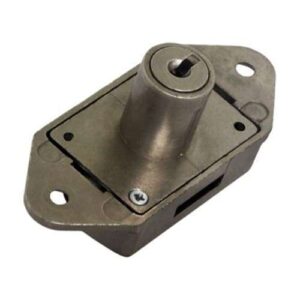
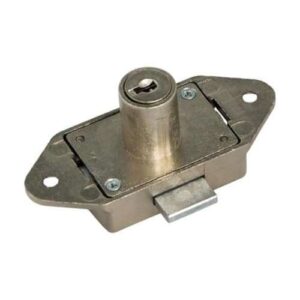
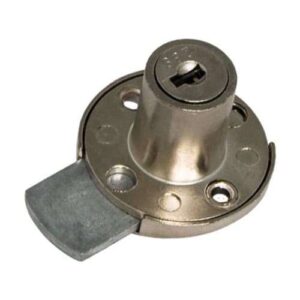
Door or drawer lock
0,00€ -
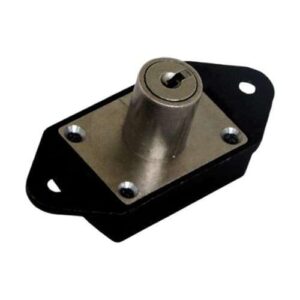
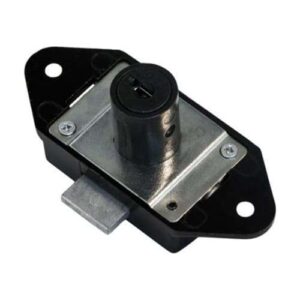
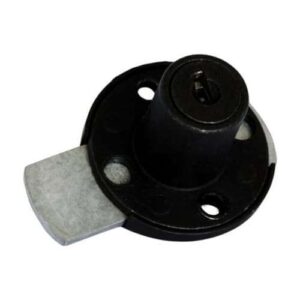
Rim lock for door or drawer, black
0,00€ -
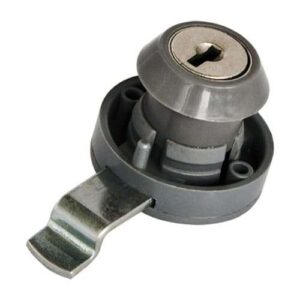
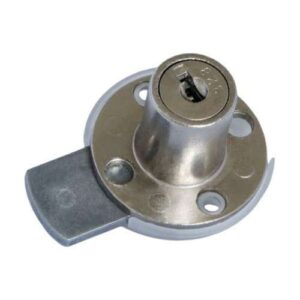
Rim lock for door or drawer, plastic
0,00€
FOCUS
To choose the right lock for the educational and cultural sector, consider the type of door (hinged or sliding), the material of the cabinet (wood or metal), and the locking system required: rack for multi-point cabinets, deadbolt for drawers, numerical combination for shared access. Stainless and galvanized finishes provide wear resistance. Hole diameter ranges from 16 to 19 mm; length from 10 to 33 mm. Fastening can be by screws, rivets or quick systems.
FAQ
Which locks are best suited for school closets or library archives?
For school cabinets and library archives, rack or deadbolt locks with a flat key or numeric combination are recommended, ideal for providing security and centralized access management. They are compatible with metal or MDF hinged or sliding doors.
Can these locks be installed on laminated wood or MDF furniture?
Yes, many of OMR's educational and cultural locks are designed to be installed on wood and wood derivatives such as MDF or HPL. They can be attached by screws, riveting, or nuts, depending on the model and substrate.
What is the advantage of number combination locks in school environments?
Numeric combination locks eliminate the need to manage physical keys, facilitating shared use in school and cultural settings. They offer convenience, reduce key duplication costs, and increase access speed without compromising security.
-
Cam locks (83)
-
Master key locks (71)
-
Waterproof/stainless locks (36)
-
1/4-turn budget locks (34)
-
Detachable barrel locks (27)
-
Deadbolt locks (21)
-
Locks for waste bins (20)
-
Handles and knobs (18)
-
Pivot locks (17)
-
Universal Wafer Cam locks (16)
-
Reprogrammable locks (13)
-
Special custom-made locks (13)
-
Locks with swivel handles (12)
-
Combination locks (10)
-
Camlocks with notched cam (10)
-
Multi-point locks (9)
-
Electronic locks for cabinets, drawers, doors (7)
-
Locks with return spring (7)
-
Universal pin tumbler locks (7)
-
Microlocks (6)
-
Locks with rotating rods (6)
-
Push-button locks (5)
-
Cross key locks (5)
-
OTTO Series (4)
-
Ratchet lock (3)
-
Padlockable locks (2)
-
Electric contact locks (2)