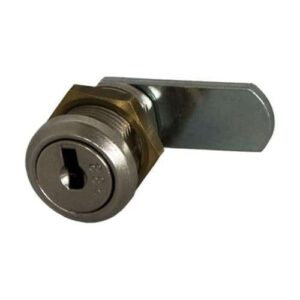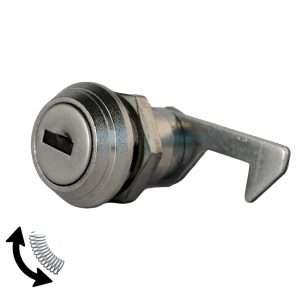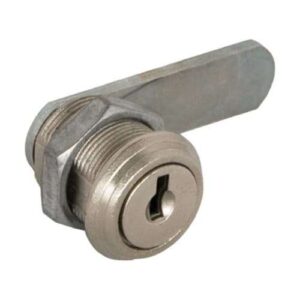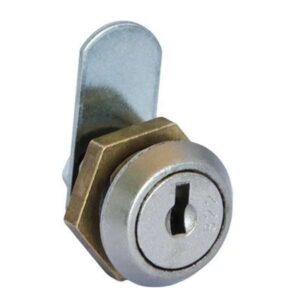
Machine locks

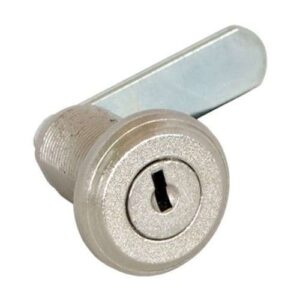
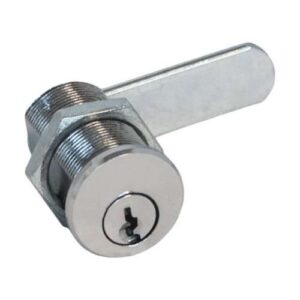
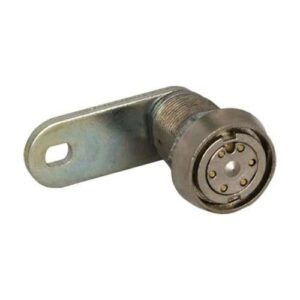
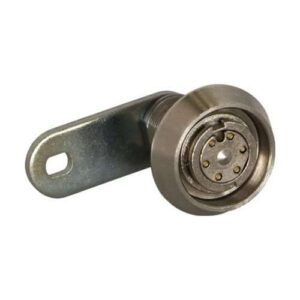
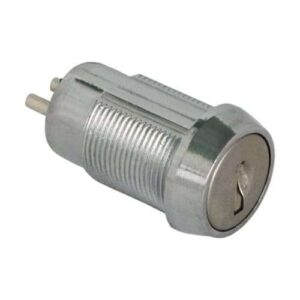
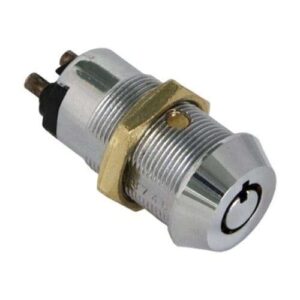
OMR manufactures locks for vending machines, vending machines, slot machines, and gaming devices, locks for coin changers and coin boxes, and locks for ticket machines.

Also included in parallel are locks for ticket machines, ticketing devices, locks for parking meters and parking systems, automatic cash registers, coffee machines, water dispensers, laundromats, and more.

These automatic devices offer users the ability to perform simple operations on their own, and for this they need strong and reliable locks. Not infrequently these machines contain money, items of non-negligible value, and are located in high traffic areas. For all these reasons, locks for vending machines and vending machines need OMR locks.

Today, many purchases are made at a vending machine, as well as online: an automatic change machine is used to change money, without the intervention of a clerk, and the obliteration of rail or city tickets by staff is now a thing of the past.

OMR Locks has awide range of machine locks in its catalog and offers customers the best assistance in directing them to the most suitable solutions. In addition, c uring production independently, the company is able to provide its customers with tailor-made lock

Filtra i prodotti

Lock type

Hole diameter

Length

Type of key

To be installed on

Locking mechanism

Fixing method

Manufacturing materials

Approfondimento su: Machine locks

How to choose the right lock for your vending machine/distributor

Choosing the right lock for a vending machine or self-service device is not trivial: each project has specific needs that determine the most suitable solution. Here are the main factors to evaluate.

Type of application

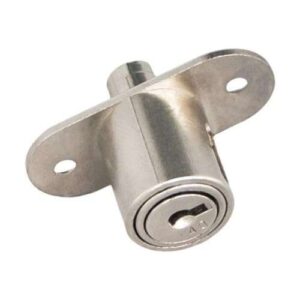
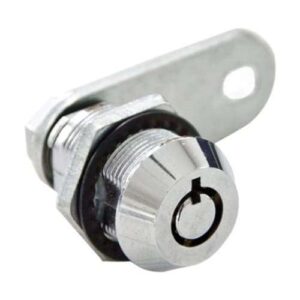
The mechanism depends on the type of locking device. For hinged doors, the standard solution is the cam lock; however, for high doors and doors with multiple locking points, rotating rods systems are used, which ensure locking at two or three points simultaneously (top, bottom, and at the lock). For drawers, the correct choice is a deadbolt lock, which ensures solid and reliable locking. For sliding doors and shutters, hook or push-button locks are used.

Access technology

The toothed key is the standard for most applications. Where security is a priority-high-end vending machines, technical compartments, elevators, industrial machinery-a pin tumbler or tubular key lock is the best choice, offering significantly greater resistance to manipulation.For those seeking the ultimate in control and convenience, keyless electronic locks represent the latest evolution in the industry: numerical code opening, badges, wristbands, smartphones via NFC or Bluetooth. No keys to manage, traceable access, remote management-the ideal solution for geographically distributed fleets of machines or multi-user settings.

Mode of use.

In multi-operator settings, keyless locks are the most efficient solution: they eliminate physical key management and allow access to be assigned, revoked or changed at any time. For those who prefer to stay with mechanical solutions, flat keys with dedicated shape still provide a good level of control.

Materials and finishes

Stainless steel or chrome-plated brass are not just a matter of aesthetics: they determine resistance to mechanical wear, moisture and weathering-critical factors for devices installed outdoors or in harsh environments such as laundries and parking lots.Not sure which solution is right for you? The OMR team is available to guide you in your choice.

Domande frequenti su: Machine locks

What is the difference between cam lock, deadbolt lock, push button lock, and lock with rotating rods?

The cam lock is the most popular solution for hinged doors: by turning the key, a metal cam protrudes and locks the door to the frame. The deadbolt lock, on the other hand, is the ideal choice for drawers, where the deadbolt slides horizontally, ensuring a solid and precise lock. The push-button or hook lock is used for sliding doors and shutters, with a mechanism that engages the panel securely even when vibrating. Locks with rotating rods are designed for tall doors that require multiple simultaneous locking points: a single rotation of the key operates rods that lock the panel at two or three points-at the top, bottom, and at the height of the lock-for a strong, uniform perimeter lock.

When is it appropriate to choose a tubular or pin tumbler key lock?

Tubular or pin tumbler key locks are suitable when security is a top priority: high-end vending machines, technical compartments, elevators, industrial machinery, and any application exposed to break-in attempts. Compared to the standard toothed key, they offer significantly greater resistance to manipulation and pick picking, thanks to a more complex and difficult-to-replicate internal mechanism.

Are electronic locks compatible with standard installation holes?

Yes. OMR Locks' keyless electronic locks are designed to be installed in standard holes in vending machines and self-service devices, without the need for structural changes to the panel or door. It is therefore possible to replace an existing mechanical lock with a keyless solution while maintaining the same installation location.

Is it possible to have the same key for multiple machines?

Yes, OMR Locks offers different lock configurations to meet different organizational needs. With the KA (Keyed Alike) configuration, multiple locks are opened by the same key, ideal for operators who manage fleets of machines and want to use a single key. With the KD (Keyed Different) configuration, each lock has its own unique key for maximum individual control. The MK (Master Key) configuration combines both requirements: each machine has its own dedicated key, but there is one master key that can open them all-the most flexible solution for large installations.

What materials are most suitable for locks installed outdoors or in aggressive environments?

For outdoor installations or environments subject to moisture, chemicals or temperature changes, OMR Locks recommends two solutions.Stainless steel provides maximum corrosion resistance and long service life, and is the ideal choice for industrial or marine environments. Technopolymer, on the other hand, is a high-strength technical plastic material that is lightweight and completely immune to rust, and is particularly suitable for parking meters, charging stations and devices exposed to the elements in urban settings.