Tilted
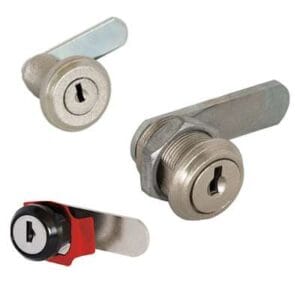
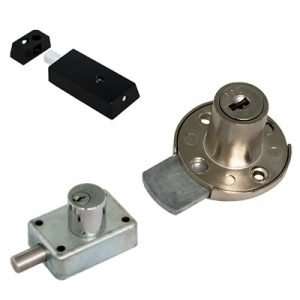
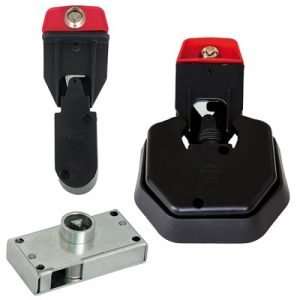
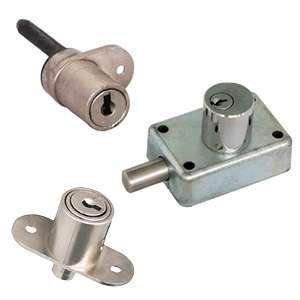
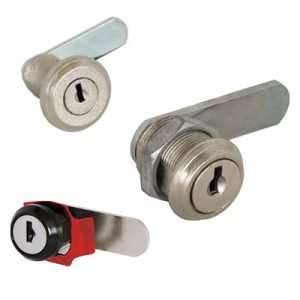
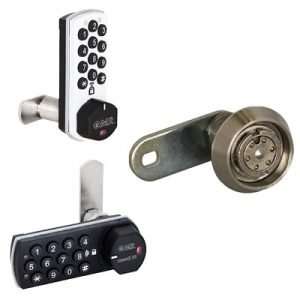
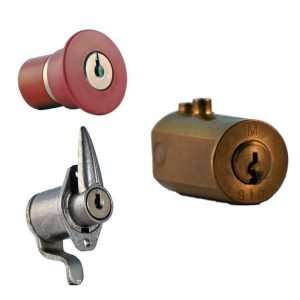
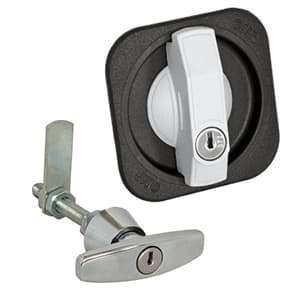
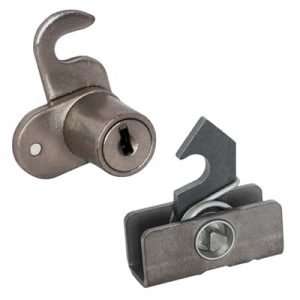
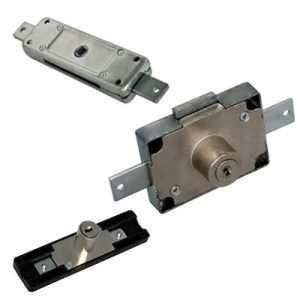
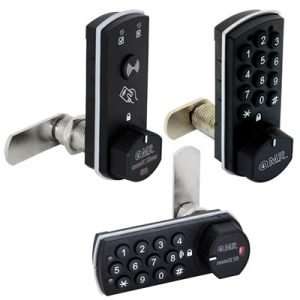
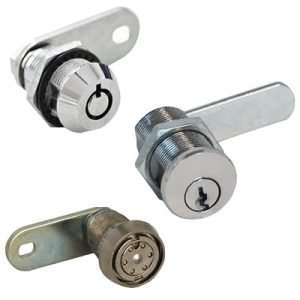
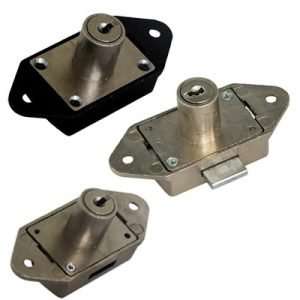
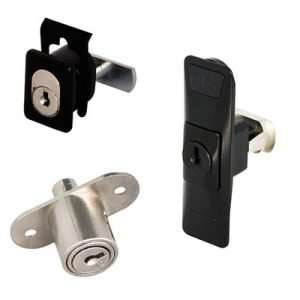
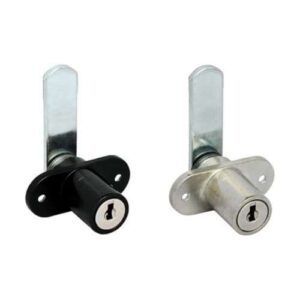
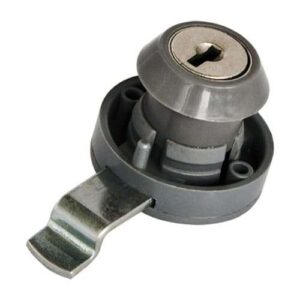
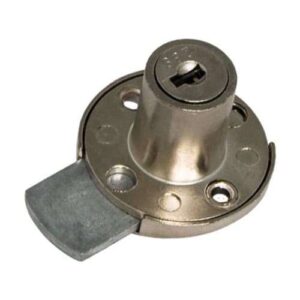
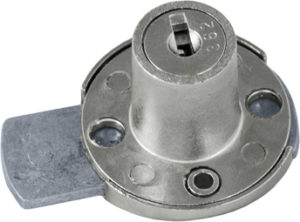
OMR tilt locks are designed to provide secure and functional locks on overhead doors, drawer cabinets, and technical cabinets. Ideal for industrial furniture, professional cabinets, and technical furnishings, they offer versatile solutions thanks to different locking mechanisms-including hooked cams, deadbolts, and actuators-and activation systems with flat keys or numeric combination. Available in different sizes, materials (die-cast metal or plastic) and finishes (galvanized, stainless, black), they are suitable for screw, nut or horseshoe clip installations. Tilt locks are a reliable solution for applications requiring security, compactness and ease of installation in the technical, plant engineering and contract furniture sectors.
Showing all 13 results
-

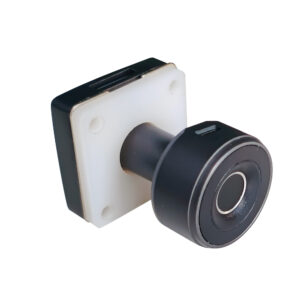
Biometric fingerprint lock for drawers – BioLock Drawers
-
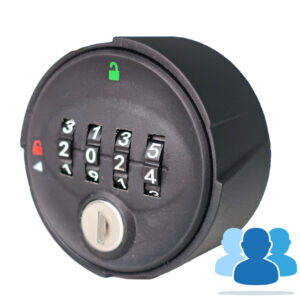
Mechanical combination lock with key – public mode
-
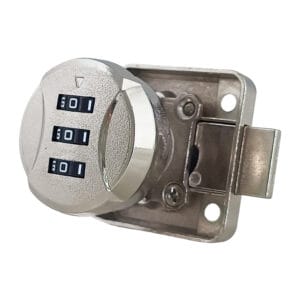
Mechanical combination lock with through-bolt
-
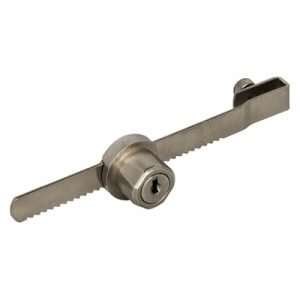
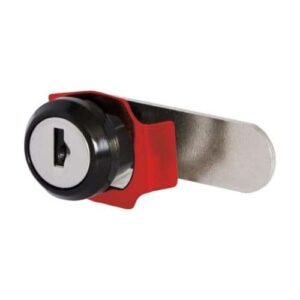
Rim Cam Lock with Dust Shutter and Horseshoe Clip Fixing
0,00€ -
Cam lock with double flange for screw fixing
0,00€ -
2-point Crémone bolt
0,00€ -
3-point crémone bolt
0,00€ -
Lock for filing cabinets
0,00€ -
Door or drawer lock
0,00€ -

Rim lock for door or drawer – Through bolt – Working length 30 mm
-
Rim lock for door or drawer – Small cranked bolt – Working length 50 mm
-
Lock for door or drawer – working lengths 40 crank 5
-
Rim lock for door or drawer, plastic
0,00€


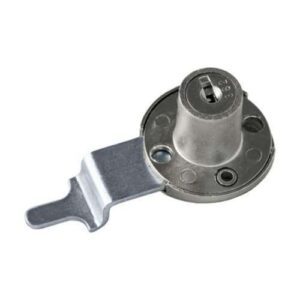
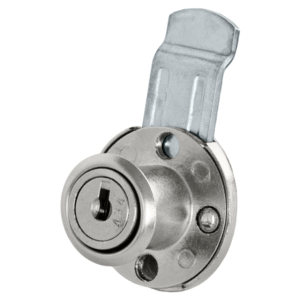
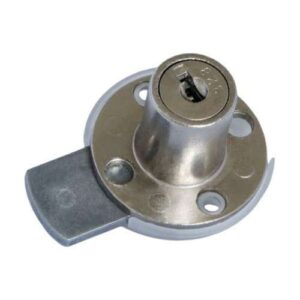
FOCUS
To choose the most suitable tilt lock, consider the type of locking required: models with multi-point cams or actuators are ideal for drawer cabinets, while those with multi-point cams or espagnolettes are better suited to doors with traversing rods. Check the hole diameter (16 to 19 mm) and body length (between 12.5 and 33 mm) for proper compatibility with the cabinet. Key extraction positions options (only with the lock closed or in both positions) allow adaptation to access control needs. Internal mechanisms can be plate-cylinder or espagnolette, depending on the level of security required.
FAQ
What industrial applications require the use of a tilt lock?
Tilt locks are mainly used on overhead doors, technical drawers, and industrial furniture where a compact and secure locking system is needed. They are ideal for office furniture, switchboards, technical cabinets, and other professional enclosures that require front or tilted opening.
What is the difference between the various locking mechanisms available?
Multipoint locks can integrate different mechanisms: straight or cranked cams for simple locks, multi-point cams or cremone bolts for traversing rod systems, and deadbolts for direct locks. The choice depends on the type of cabinet and the level of security desired.
How does the hole diameter affect lock installation?
The diameter of the hole, which can vary between 16 and 19 mm, is an essential parameter to ensure that the lock fits properly in the panel. A nonconforming diameter may compromise the seal or prevent installation, so it should always be checked at the design stage.
-
Cam locks (83)
-
Master key locks (71)
-
Waterproof/stainless locks (36)
-
1/4-turn budget locks (34)
-
Detachable barrel locks (27)
-
Deadbolt locks (21)
-
Locks for waste bins (20)
-
Handles and knobs (18)
-
Pivot locks (17)
-
Universal Wafer Cam locks (16)
-
Reprogrammable locks (13)
-
Special custom-made locks (13)
-
Locks with swivel handles (12)
-
Combination locks (10)
-
Camlocks with notched cam (10)
-
Multi-point locks (9)
-
Electronic locks for cabinets, drawers, doors (7)
-
Locks with return spring (7)
-
Universal pin tumbler locks (7)
-
Microlocks (6)
-
Locks with rotating rods (6)
-
Push-button locks (5)
-
Cross key locks (5)
-
OTTO Series (4)
-
Ratchet lock (3)
-
Padlockable locks (2)
-
Electric contact locks (2)