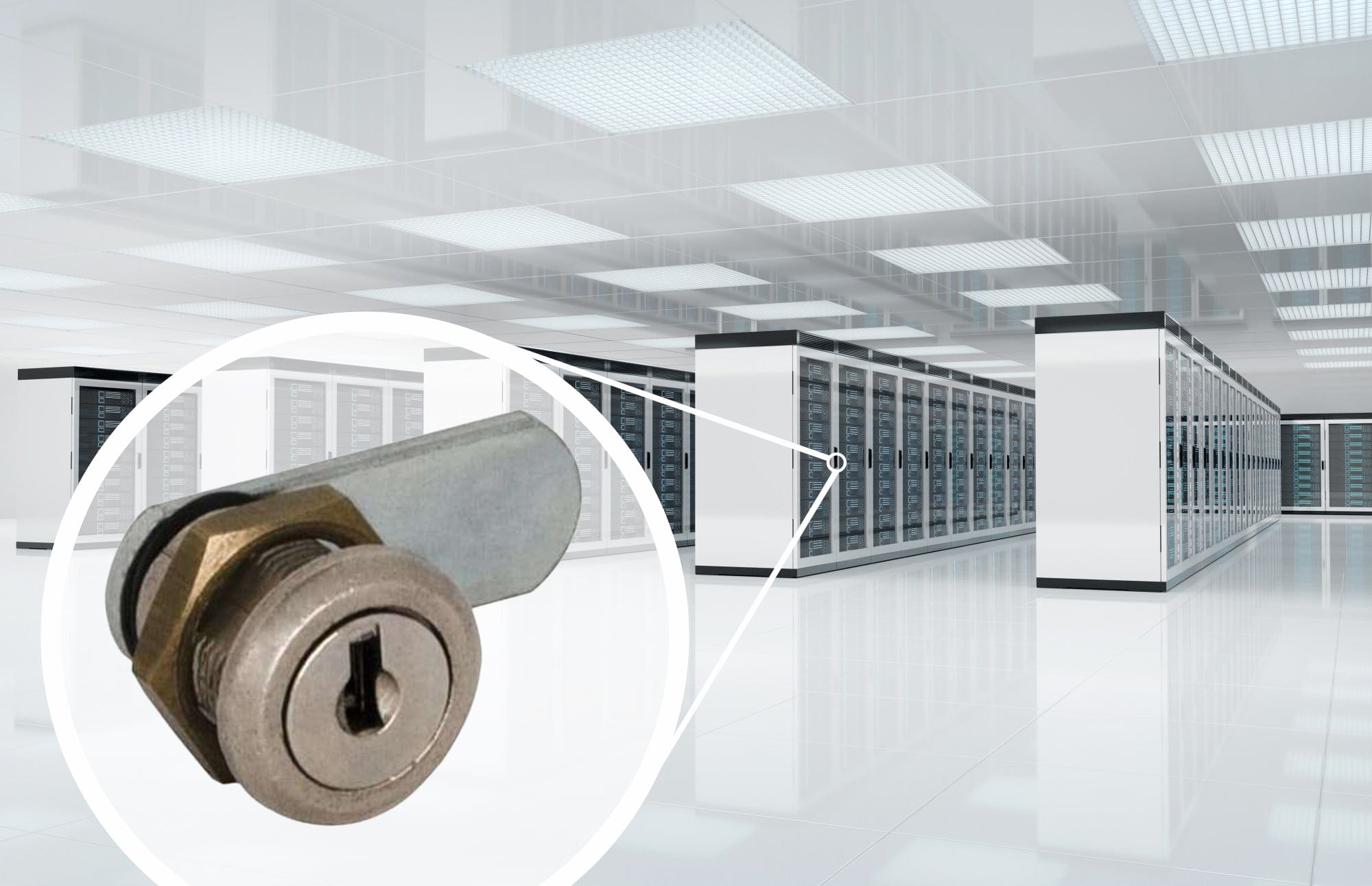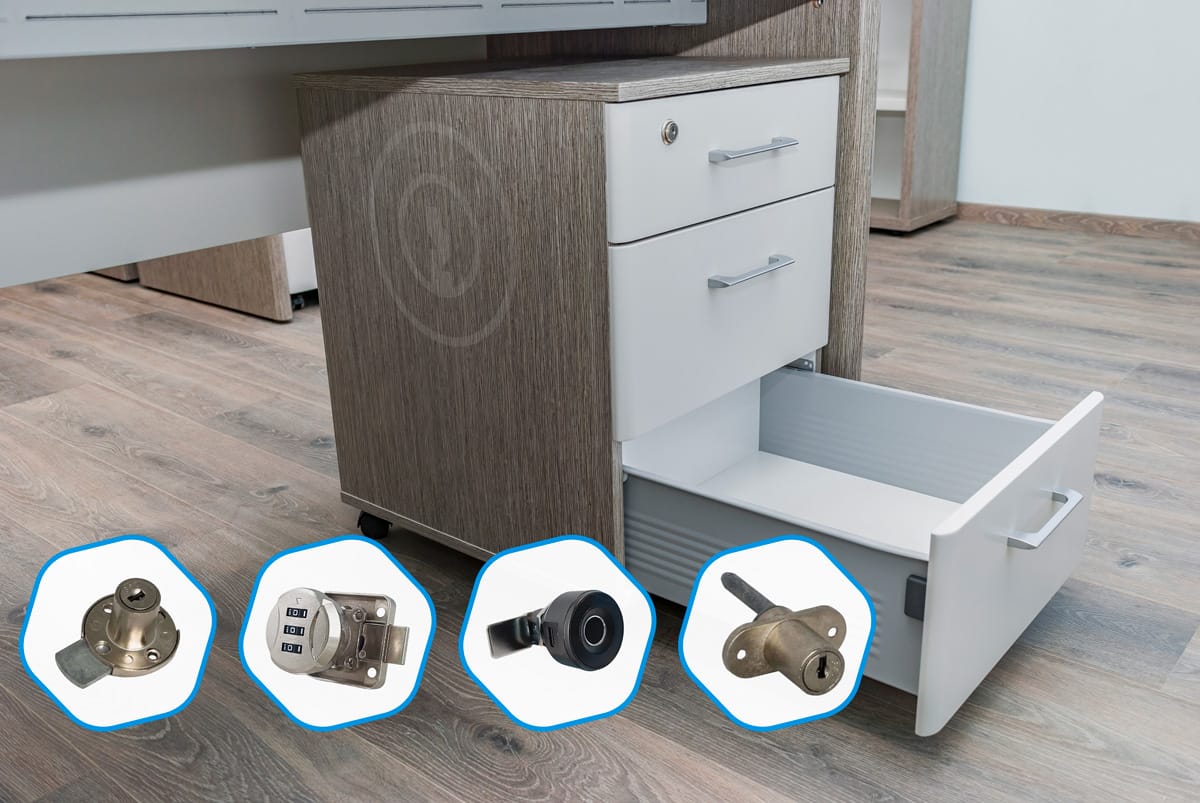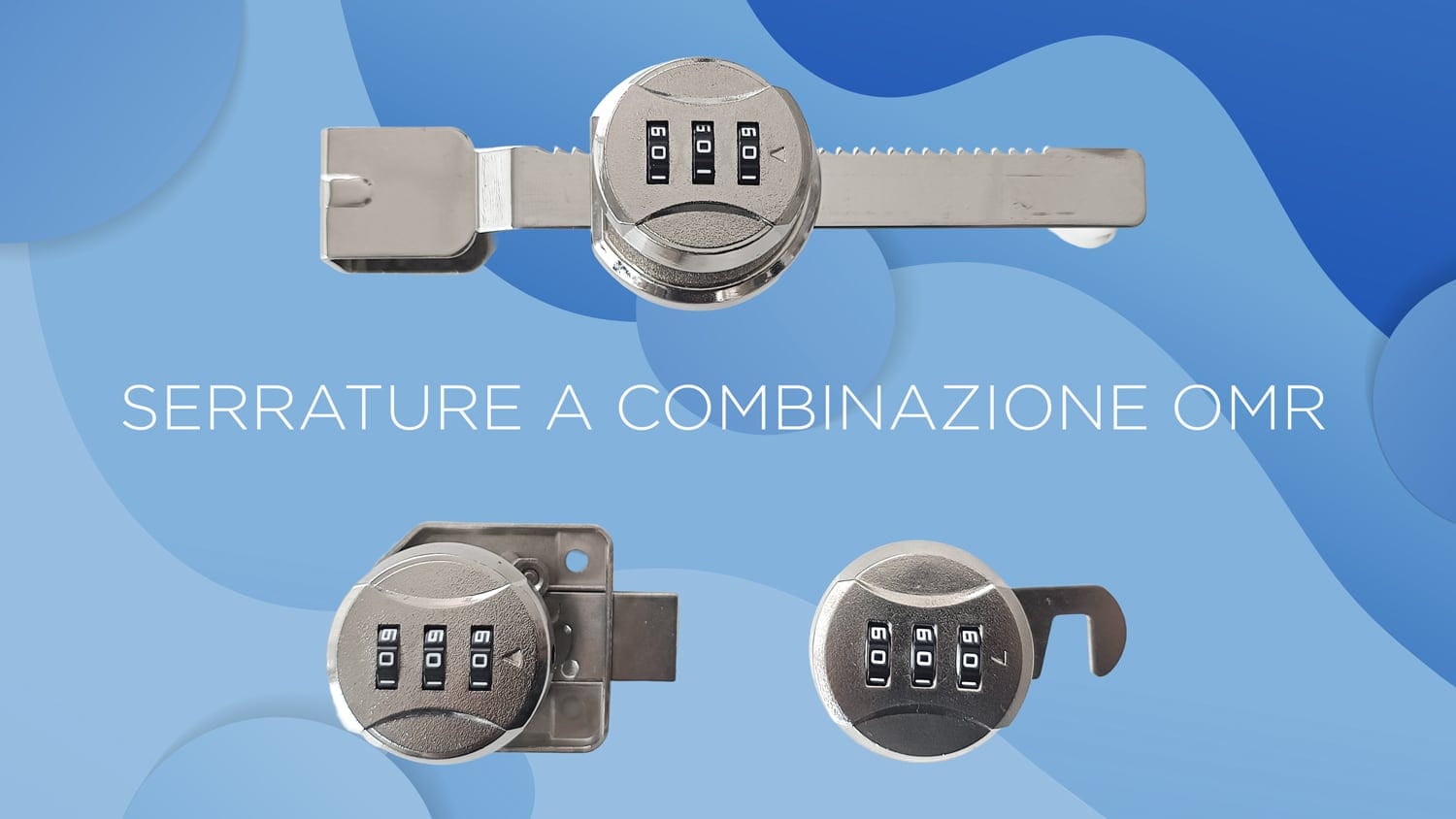
A utility cabinet, an electrical panel, a vehicle: these are all systems that must remain locked and operational for years, often outdoors or in environments that are anything but hospitable. In these contexts, the component that deteriorates first is almost always the smallest and most complex: the lock. Understanding why this happens—and how to prevent it—is the first step in choosing the right locking system.
Why does metal corrode, but stainless steel doesn't?
Iron and ordinary steel, when exposed to moisture and oxygen, undergo a chemical reaction and form an oxide: rust. Surface treatments (galvanizing, painting) prevent this process, but they only provide protection as long as the coating remains intact. A scratch, a bump, or aggressive maintenance is enough to expose the underlying metal, and corrosion begins—often rapidly because it is localized to a specific spot, such as a dent.
For a lock, this results in a very real problem: the mechanism jams, the key is hard to turn, and the barrels seize up. In the worst-case scenario, you can’t get in exactly when you need to!
What Makes Stainless Steel Different
Stainless steel isn't simply "more durable"; it's chemically different. The chromium in the alloy reacts with oxygen just as iron does, but it creates a stable, strong surface oxide layer that protects the underlying metal instead of “eating away” at it like rust does. In fact, the unique feature of this oxide layer is that, if it is damaged, it reforms on its own as soon as the metal comes back into contact with the air: a self-repairing protection that doesn’t wear away over time!
This explains why a stainless steel lock continues to function properly even after years of exposure to rain, temperature fluctuations, or frequent washing, while a galvanized lock in the same conditions may start to malfunction much sooner.
In which settings is it best to choose this option?
Not all systems require the same level of protection. Stainless steel is the most sensible choice when the lock is exposed to harsh conditions:
- Outdoor installations exposed to rain, wind, and temperature fluctuations
- Coastal areas, where salt accelerates all forms of corrosion
- Industrial environments involving chemicals or frequent cleaning, such as those typical of the food or pharmaceutical industries
- Electrical panels located outdoors or in exposed technical areas
- Means of transportation, subjected to vibrations, weather conditions, and constant washing cycles
In all these cases, a standard lock risks becoming the weak link in the entire system. A stainless steel lock, however, does not.

In which settings is it best to choose this option?
Not all systems require the same level of protection. Stainless steel is the most sensible choice when the lock is exposed to harsh conditions:
- Outdoor installations exposed to rain, wind, and temperature fluctuations
- Coastal areas, where salt accelerates all forms of corrosion
- Industrial environments involving chemicals or frequent cleaning, such as those typical of the food or pharmaceutical industries
- Electrical panels located outdoors or in exposed technical areas
- Means of transportation, subjected to vibrations, weather conditions, and constant washing cycles
In all these cases, a standard lock risks becoming the weak link in the entire system. A stainless steel lock, however, does not.
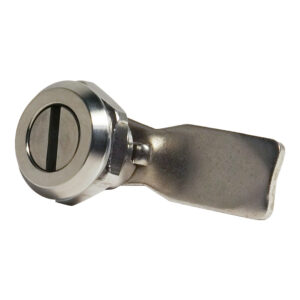
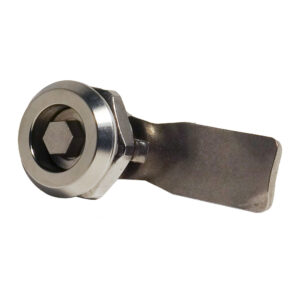
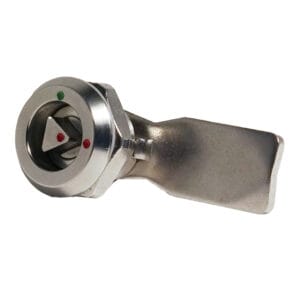
Stainless Steel Locks from the OMR Line
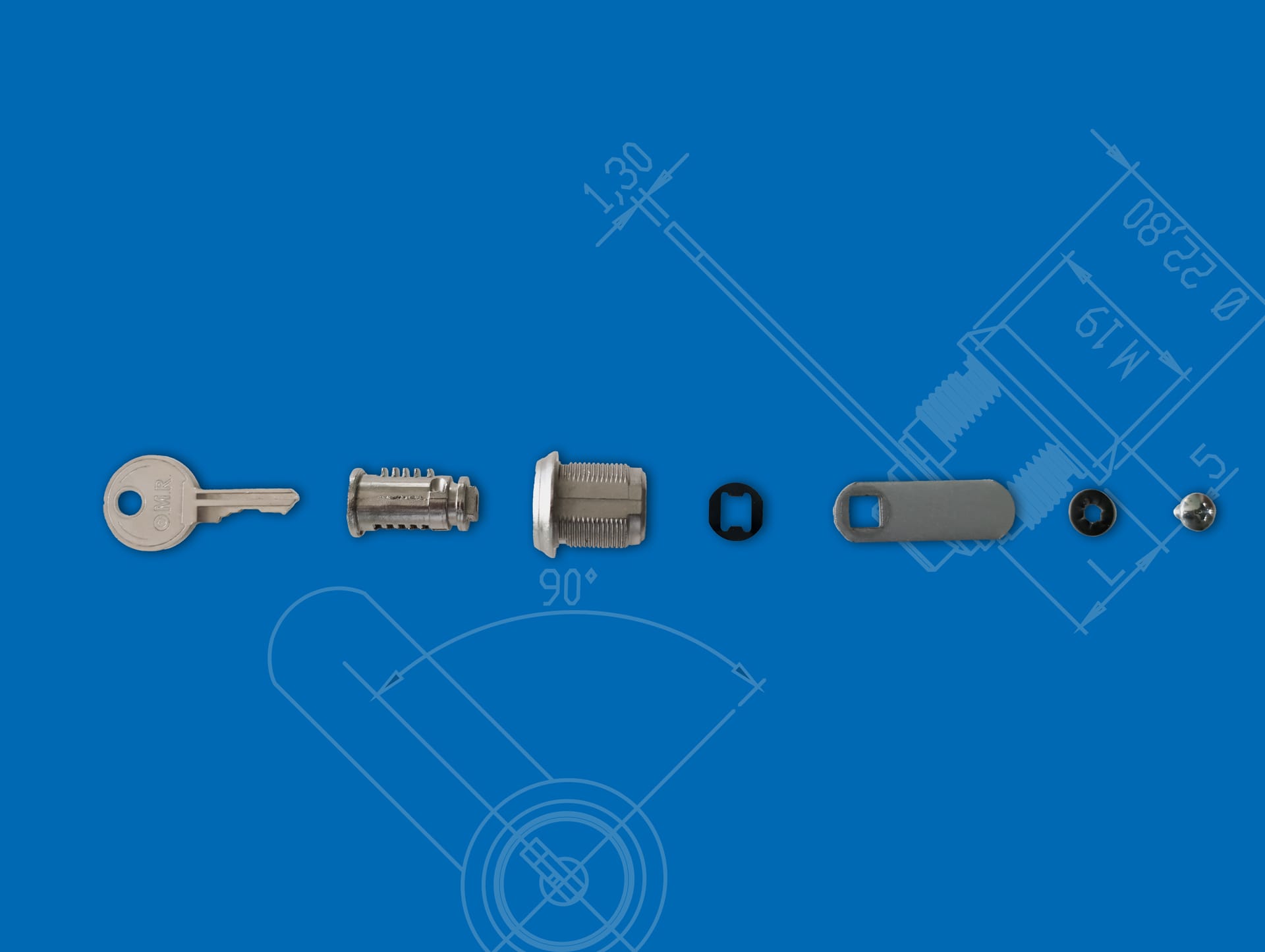
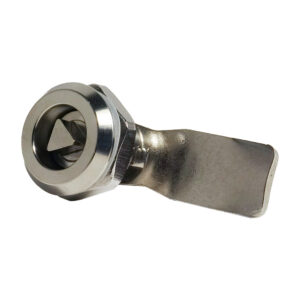
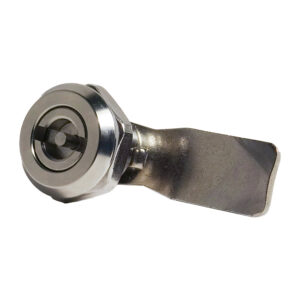
OMR stainless steel locks are designed as key-operated locks with a 1/4-turn locking mechanism: a quick turn of the key is all it takes to lock the door completely, with no complex mechanisms to maintain. They are available with various key shapes (P3, hexagonal, triangular, flat screwdriver), allowing you to choose the level of convenience and access control best suited to each application.
From a practical standpoint, the nut-and-bolt mounting on a standard 22-mm hole allows for quick installation on any metal hinged door, and the ability to remove the key in both the open and closed positions is a feature that greatly simplifies day-to-day use in settings with frequent access.
An extra step to ensure long-lasting durability
Stainless steel also benefits from additional protection in the most extreme conditions: for installations exposed to rain, wind, and salt spray, OMR also offers a stainless steel protective cap to be used with the lock, designed specifically to further extend the mechanism’s service life.
If you're considering which lock to install on a system exposed to the elements or harsh industrial environments, the OMR team is here to help you find the solution that best suits your project.