Vending machines, parking meters, gaming machines, electrical panels, and many other types of equipment share one characteristic: they contain valuable goods or components and remain unattended for long periods of time. In these situations, the lock is a critical component of security, and this is precisely where radial-pin locks represent one of the most reliable solutions.
Let's take a look at how they work, why they offer a higher level of security than traditional plate-cylinder cam locks, and what solutions OMR offers.
What Are Radial-Pin Locks?
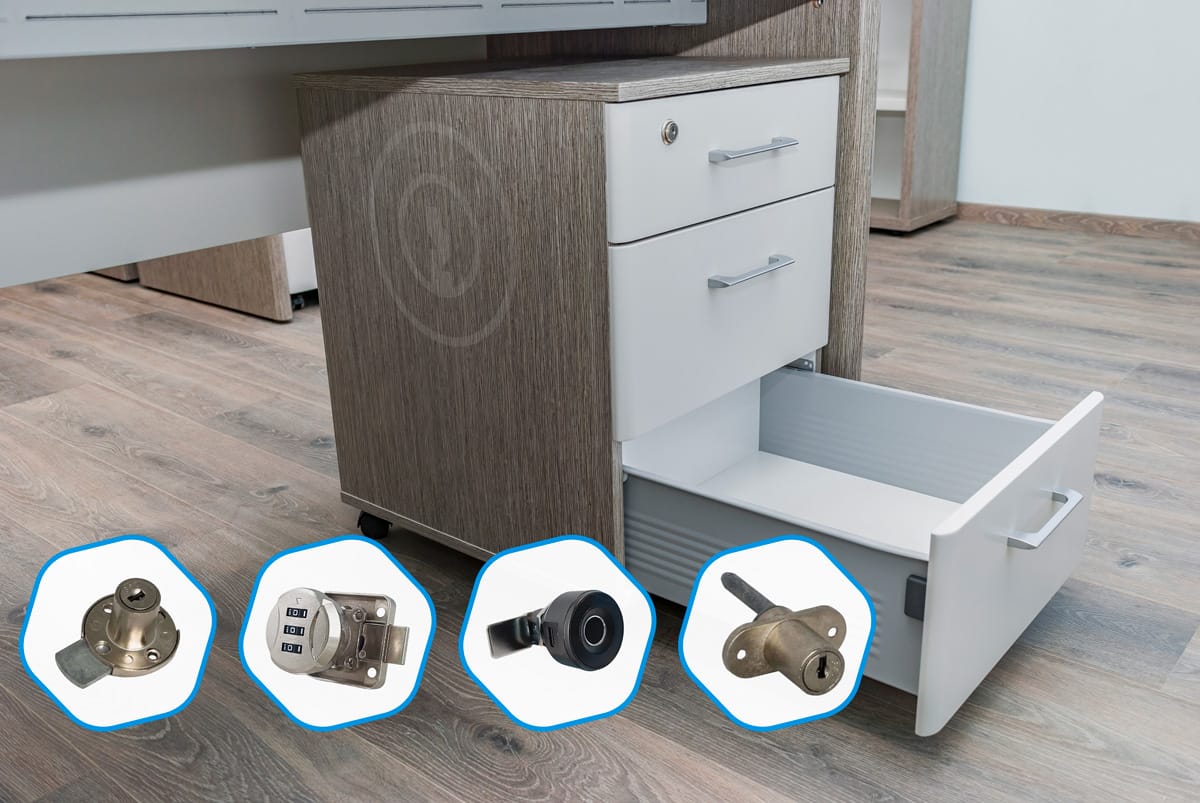
Given the same size and function—a cam that turns to close a door or drawer—a cam lock can be equipped with three different locking mechanisms, each offering significantly different levels of security.
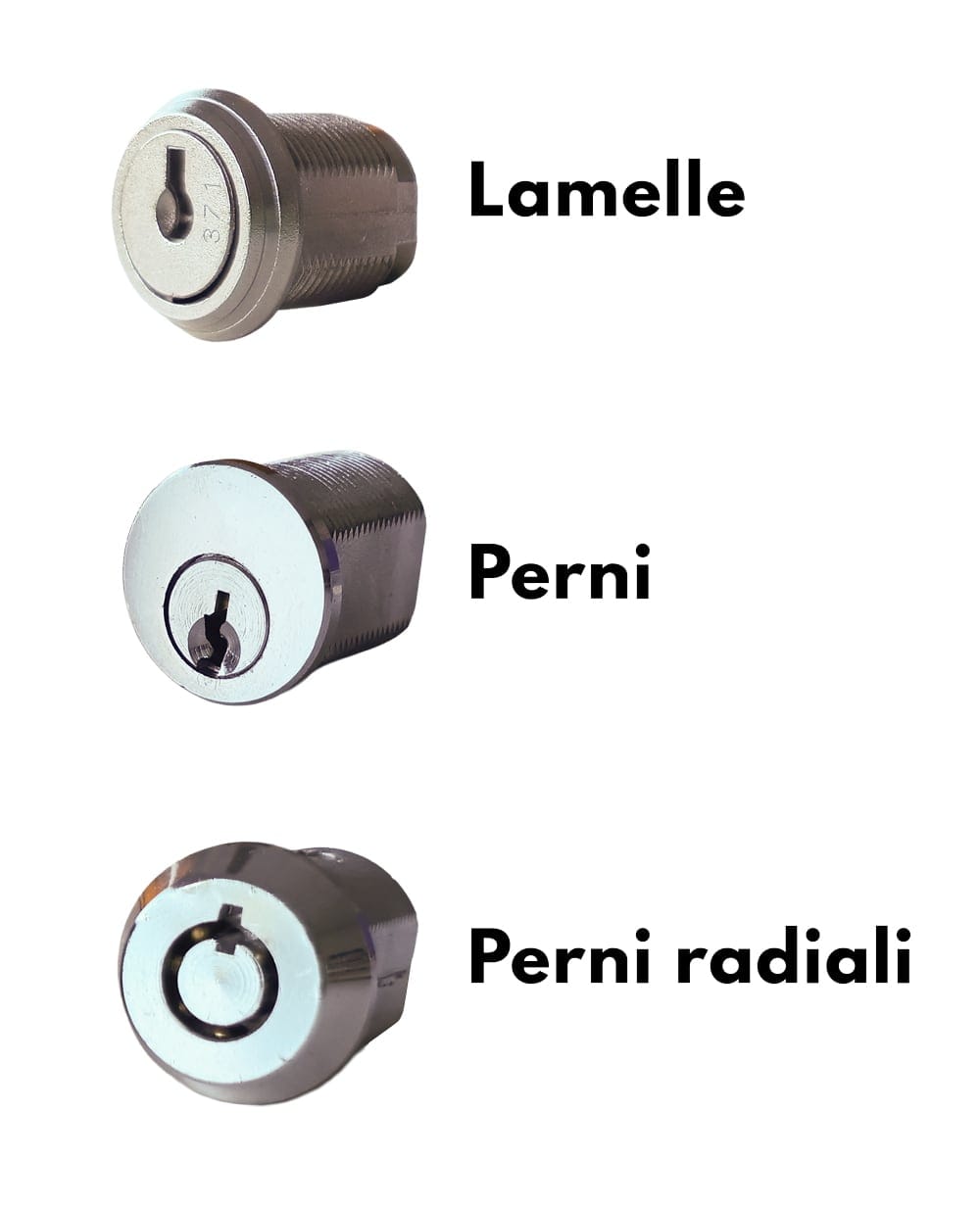
The most common types are plate-cylinder cam locks, which are inexpensive and suitable for applications such as metal cabinets, filing cabinets, and office furniture. However, they offer limited protection against tampering and use keys that are easy to duplicate.
In-line pin locks use pins aligned along a single axis, providing a higher level of security than plate-cylinder cam locks.
Radial-pin locks use the same mechanical principle, but the pins are arranged radially around the cylinder's axis. As a result, they use a specific type of cylindrical key (tubular or Jack), which makes the mechanism much more difficult to pick.
For this reason, they are used primarily on equipment that is accessible to the public or installed in unattended areas.
Why radial-pin locks with tubular or jack keys provide superior security
There is no single decisive feature: the security of these locks stems from a combination of design elements that address different aspects, from silent opening to brute-force attacks to long-term key management.
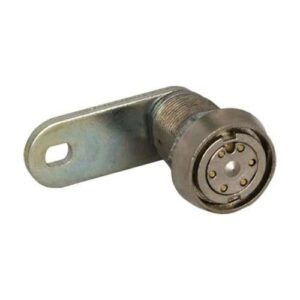
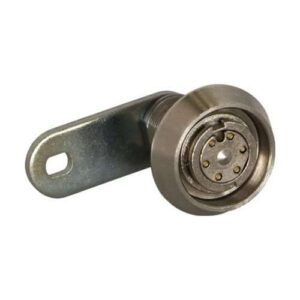
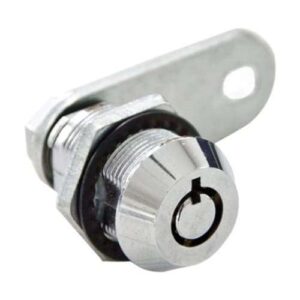
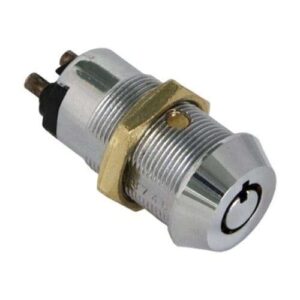
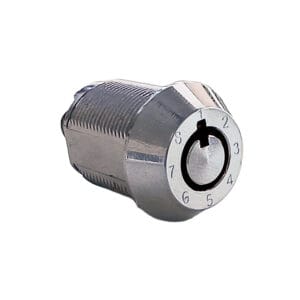
- Greater resistance to tampering, thanks to the unique arrangement of the pins.
- Puncture protection, available on Jack models.
- Resistance to prying attempts, achieved through a truncated-conical body or an anti-pry steel ring.
- Key Duplication Control: OMR keys are duplicated exclusively by the company after verifying ownership.
- The key can only be removed when the lock is closed, preventing the user from leaving the compartment open.
The OMR Line: Two Formats, Two Management Modes
Within this family, the choices are organized along two axes that are independent of one another.
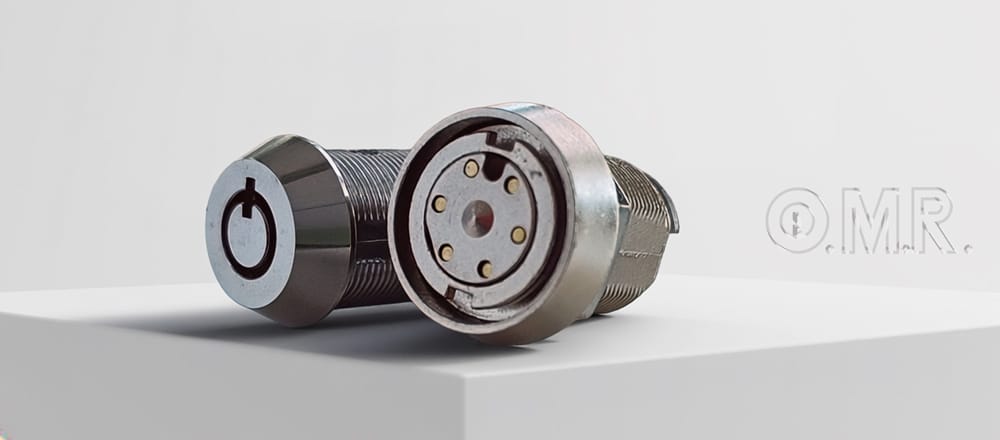
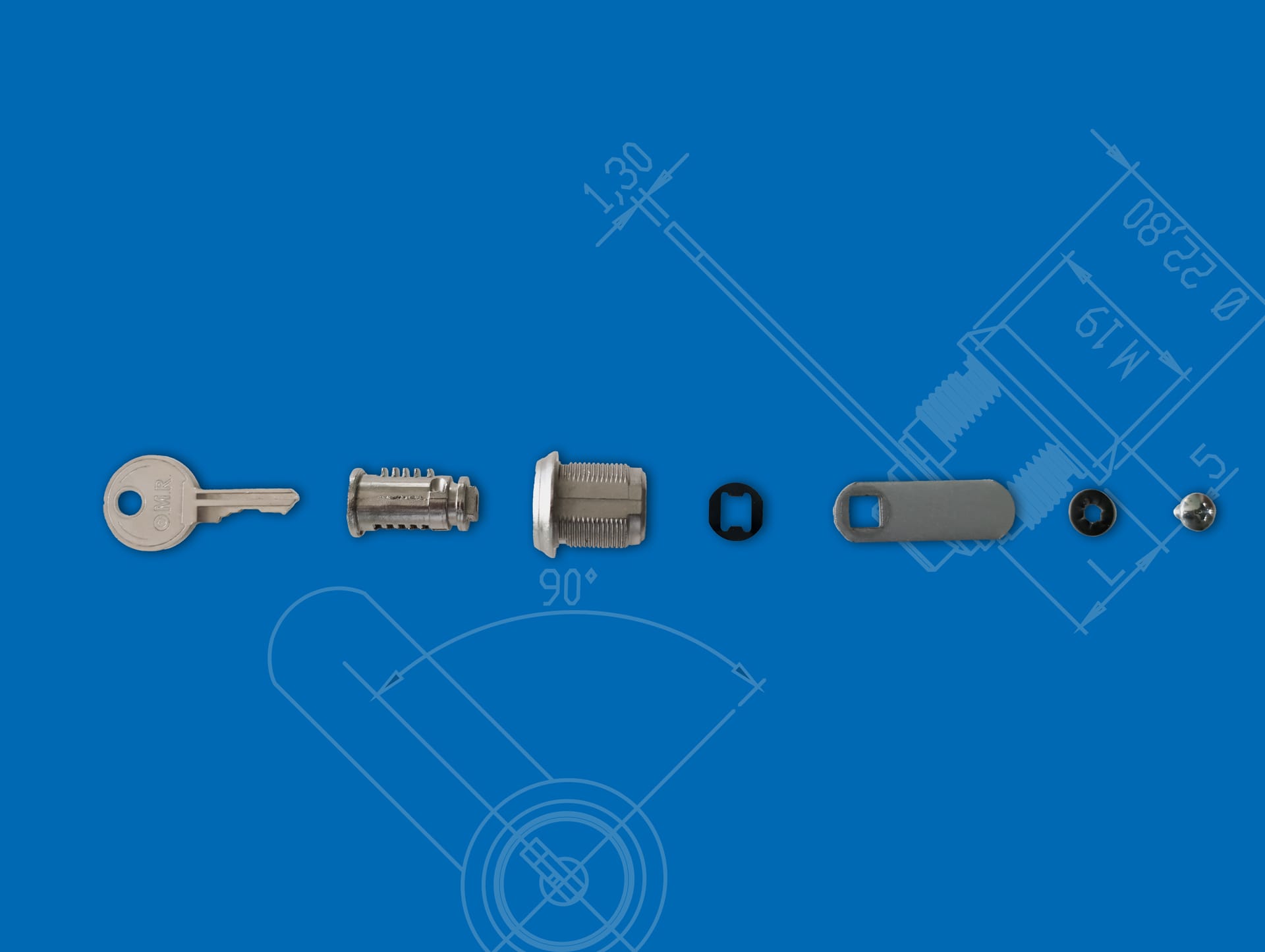
On the first axis are the tubular lock—which features a cylindrical key that also serves as a handle when opened—and the cam lock, recognizable by its red key with an ergonomic grip. The two options share the same installation dimensions—a 19 mm hole, 22 mm length, and a rear oval mount—and are therefore interchangeable during the design phase: the choice depends on the required ergonomics and the conventions of the application sector, not on mechanical constraints.
The second component is encryption management:
- fixed encryption, ideal when the users remain the same over time;
- Reprogrammable encryption, recommended when staff turnover is frequent or the risk of losing keys is high.
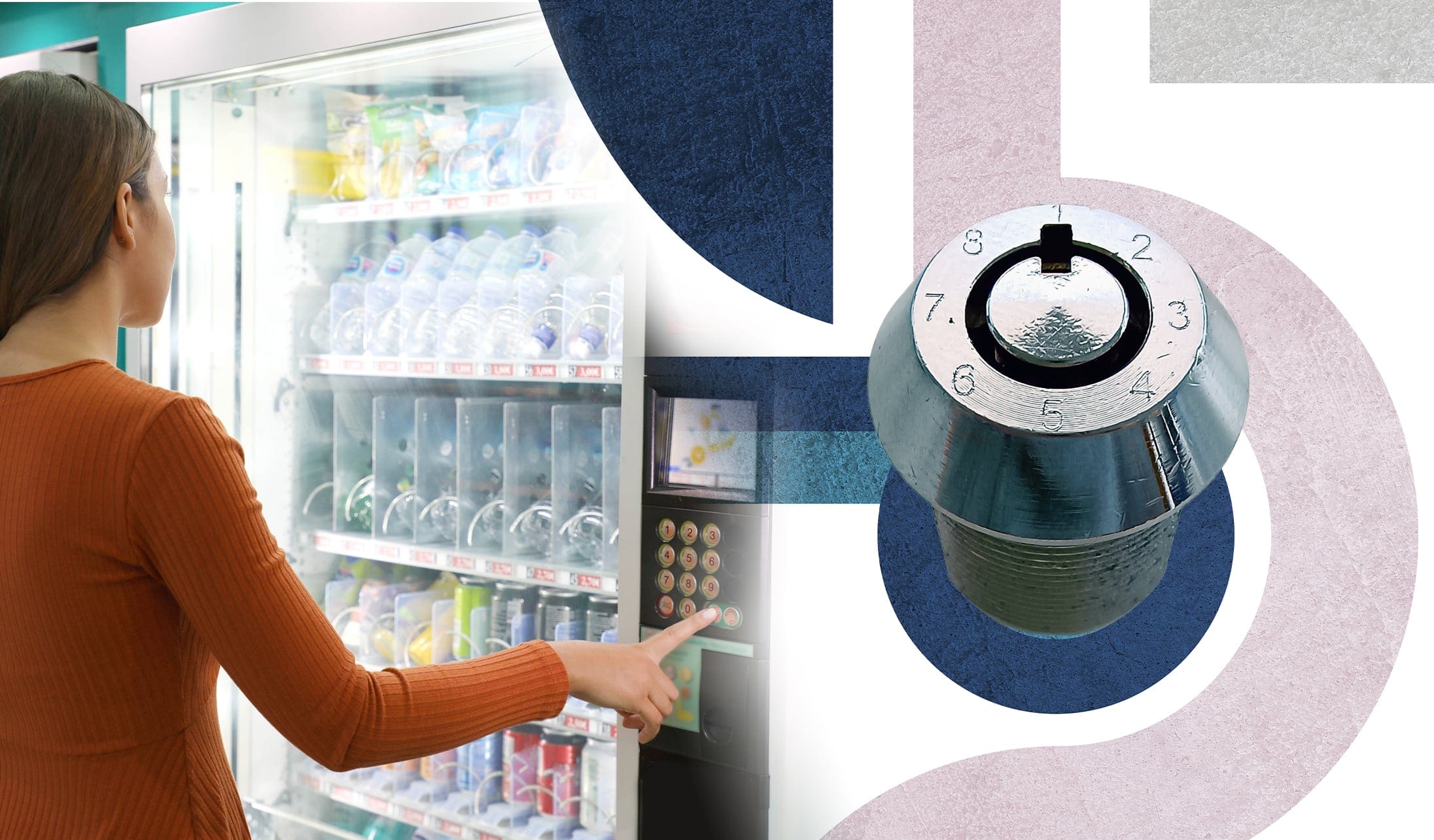
When users change, fixed encryption can become a limitation. If a key is lost or remains in the hands of an employee who is no longer authorized, the only way to restore security is to physically replace the lock. On a single machine, this is an inconvenience; for a fleet of dozens or hundreds of devices spread across a wide area, it becomes a recurring cost, where the biggest expense isn’t the replacement part but the on-site technical service call.
That is exactly the problem that reprogrammable versions solve.
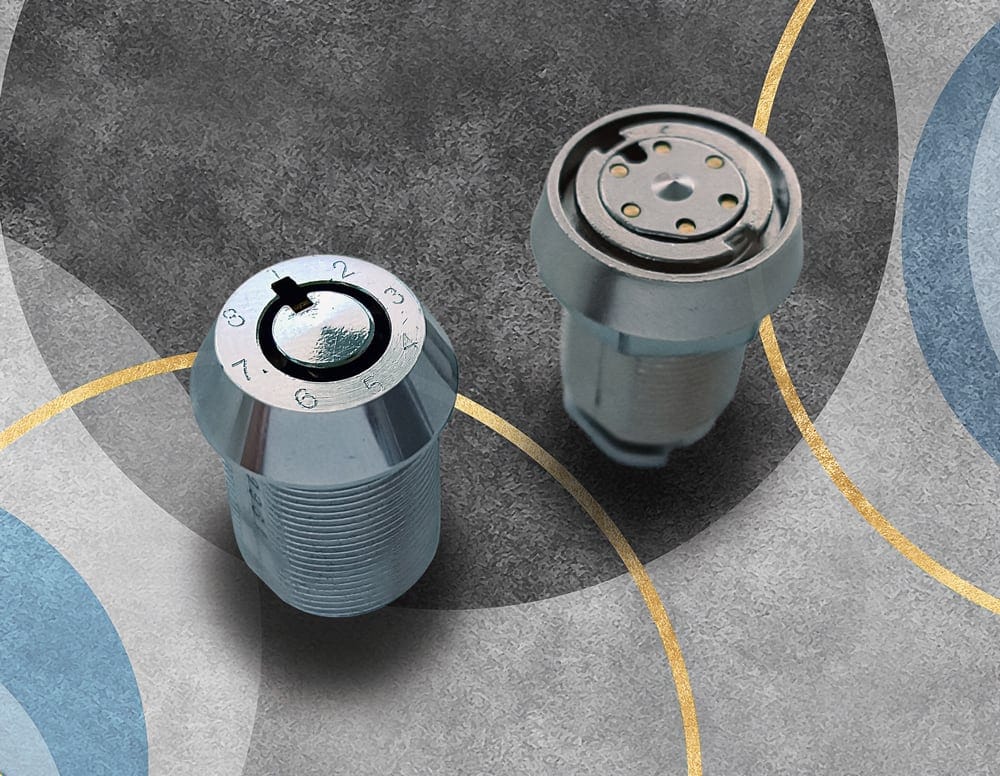
Reprogrammable radial-pin tumbler locks
OMR offers two reprogrammable solutions.
The reprogrammable Jack cam lock offers five different combination settings that can be selected using a programming key, without having to disassemble the lock.
The latest reprogrammable tubular lock further expands this capability thanks to eight pre-programmed combinations. A master key allows you to quickly select which of the eight keys will be active, immediately deactivating all the others.
This solution allows you to restore security after a device is lost or when operators are replaced, without replacing any components and without the need for technical intervention.
Where they are used
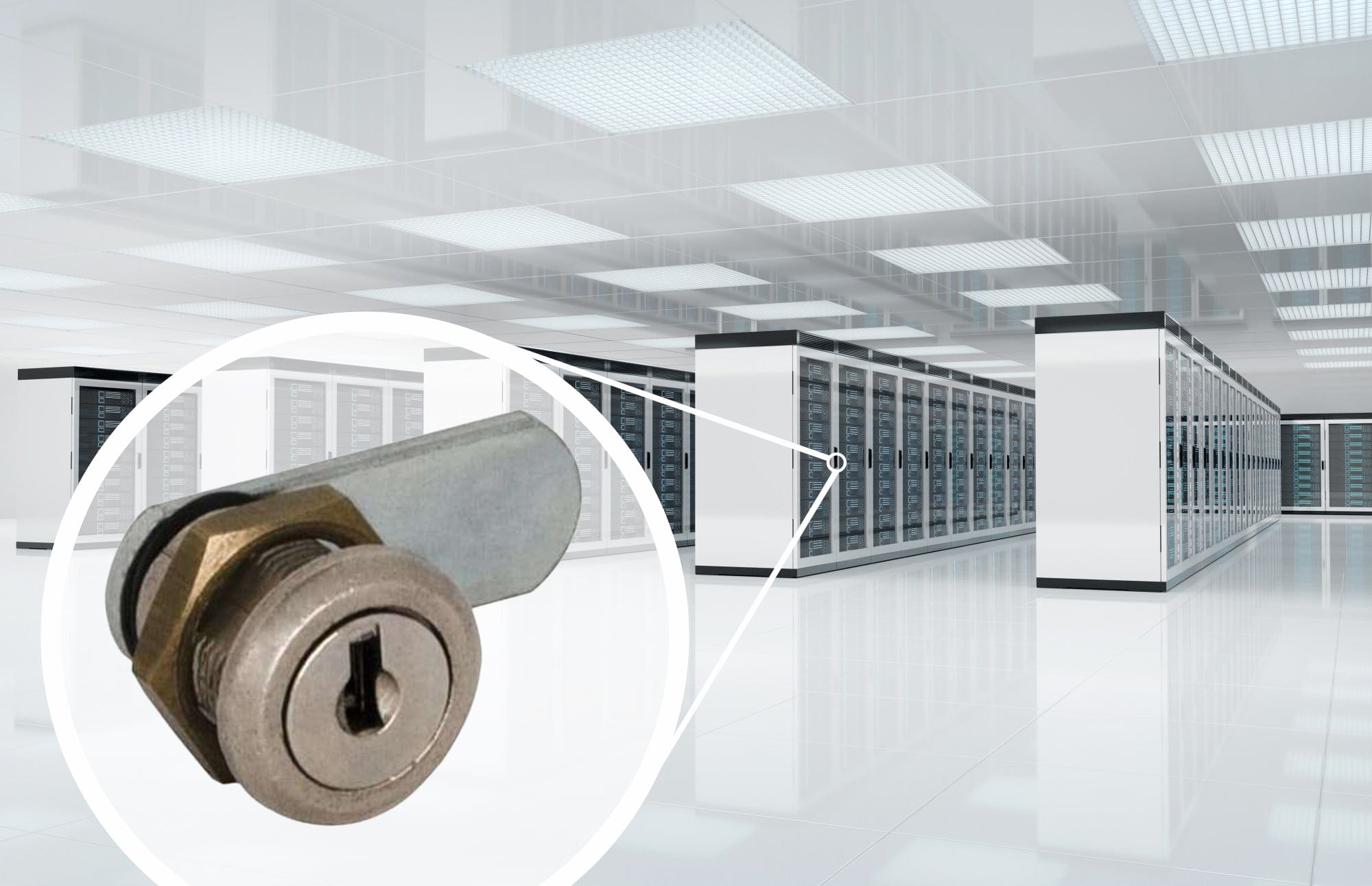
The common feature of typical applications in this category is the combination of two conditions: there is a value to be protected, and the installation is unattended. These devices remain exposed and unattended for long periods, often in public or semi-public places, and for this very reason are perceived as accessible targets.
- Vending machines and coffee machines, where the lock protects both the cash and the product, and where the staff responsible for restocking rotate on a fairly frequent basis
- Gaming machines, slot machines, and entertainment devices—an environment in which controlling access to cash receipts is not only a security requirement but also a management requirement
- Safety deposit boxes and cash transport containers, including concealed or camouflaged mini-safes
- Parking meters, change machines, and turnstiles, typically spread out over a large area and operated by multiple providers
- Elevator shafts, electrical panels, and switches, where access is restricted to authorized technical personnel
- Refrigerated truck bodies and transport vehicles, where exposure to the elements is an additional factor
- Commercial furniture for jewelry stores and museum exhibits, where security is balanced with the need for a compact footprint and a subtle aesthetic impact
In many of these applications, the lock does not operate on its own: the rear oval mount allows it to be connected to multi-point cams for sliding rods or to actuators for central locking, transforming a single control point into the simultaneous locking of multiple doors or drawers.
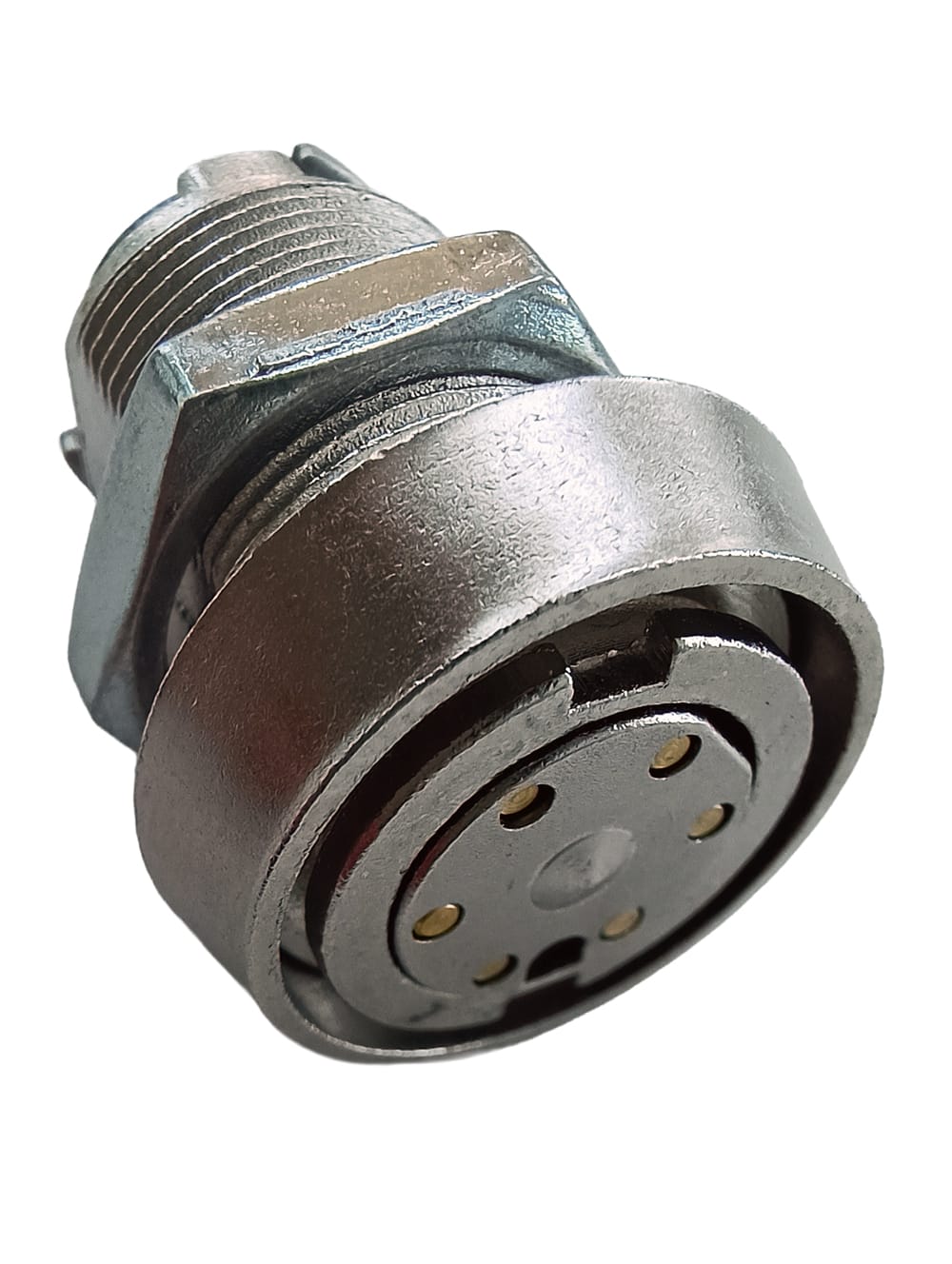
Installation and Configuration
From the perspective of those who design or assemble the machine, this product family is designed to be as neutral as possible with respect to the mounting surface. It is secured using a nut on a 19-mm round hole, with a washer under the nut: a solution that ensures a secure hold even in the presence of vibrations or under heavy use, and that works equally well with sheet metal, aluminum, wood and wood-based materials (MDF, HPL), plastic, and Plexiglas. No special machining or tools are required: just a round hole and a nut wrench.
True flexibility, however, liesin the rear oval or 7-pin mounting, two industry standards that separate the locking mechanism from the cylinder.
The following can be mounted on the same lock:
- Straight cams with different working lengths
- cranked hinges, with multiple bends, to compensate for misalignment between the door and the frame
- hook-type cams, for doors subject to prying attempts
- multi-point cams for moving rods up and down
- actuators for the multiple and centralized locking of drawer units
Radial-pin locks are the ideal choice when it is necessary to secure unattended equipment with a higher level of security than traditional plate-cylinder cam locks.
Reprogrammable versions offer a significant management advantage: if keys are lost or operators are replaced, security can be restored in a matter of seconds, without replacing the lock or requiring on-site service.
All OMR models are designed and manufactured in-house and can be customized with different cams, finishes, and locking mechanisms to meet the needs of any application.