
Camlocks with notched cam
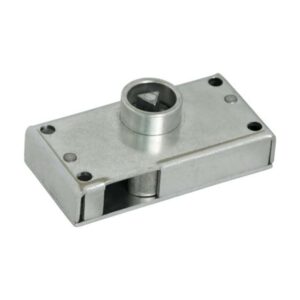
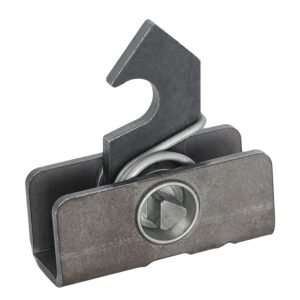
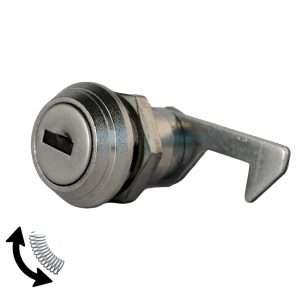
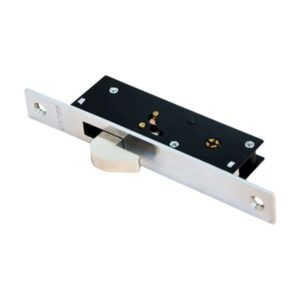
OMR hook locks are a reliable and versatile solution for locking systems intended for industrial furniture, technical cabinets, sliding panels and shutters. Designed to ensure security and functionality even in complex environments (outdoors, industries, vehicles), these locks are distinguished by the presence of a hooked cam (also with return spring), ideal for sliding doors, shutters and lids. Available in a variety of mechanical configurations-including models with a budget key, technical shape, or numerical combination-OMR hook locks fit metal, plastic, or engineered wood supports, thanks to flexible fastening systems (screws, nuts, riveting). Made of durable materials such as steel and die-cast metal, they offer variable rotation options (quarter-turn or half-turn).
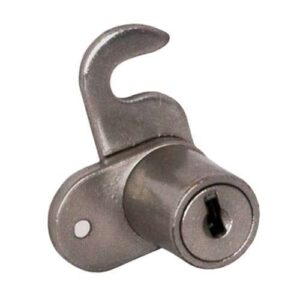
Hook locks are widely used and are based on a hooked cam that engages a striker pin. Appreciated for both their practicality and strength, hook locks are chosen for sliding doors, shutters, hatches, and lids.
OMR Locks controls the entire production process and manufactures locking systems on a project basis: contact one of our specialists for more information about hook locks!
Filtra i prodotti
Showing all 10 results
-

Concealed cam locks for modular panels and platforms
-
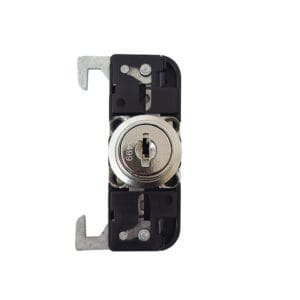
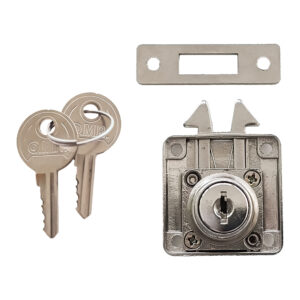
Lock for furniture shutter – key cylinder + side hooks
-
Lock for roller shutters and sliding doors with double spring hooks
-
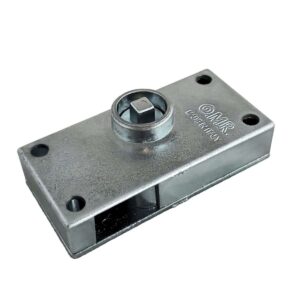
Manual lock for wastebins – Square 7 key
-
Mechanical combination lock with rear hooked cams
-
Triangular manual lock for waste bins and containers
-
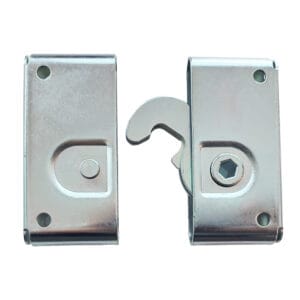
Tool operated slamlock with notched cam
-
Latch lock with return spring and hook cams
-
Cross key lock from upright with swinging hook
-
Rolling Shutter Lock
0,00€

FOCUS
FAQ
In what industrial settings is the use of hook locks recommended?
Hook locks are suitable for technical furniture, industrial furniture, plant cabinets, electrical panels, and technical vehicle locks. They offer a secure and compact solution for sliding doors, shutters or covers that require a stable and easily operated seal.
What is the difference between the various types of locks available in hook locks?
Hook locks can offer different levels of security depending on the key used and the mechanism. From simple quarter-turn to shape and toothed keys to compact cruciform cylinder to cross key solutions.
How to choose the hole diameter for lock installation?
The hole diameter varies according to the model and type of application: the most common sizes are 15.4 mm, 18 mm and 22 mm. It is important to check compatibility with the thickness of the panel and the intended method of attachment (nut, screw, or riveting) to ensure proper installation and mechanical seal.