
Maneuvering locks
OMR maneuver locks are designed to provide security and access control in electrical cabinets, control panels, and industrial automation systems. Featuring an internal pin tumbler mechanism with a non-reversible flat key, these locks provide a reliable solution for applications requiring key extraction positions only when the lock is closed. Made of die-cast metal, steel or brass, with a chrome finish, they offer mechanical strength and protection against wear and tear. The through-pin tumbler locking system with 160-degree rotation allows secure maneuvering, while screw or rivet fastening ensures stability and ease of installation. Available with keyed alike (KA) or keyed alike (KD), they meet access management needs in the most demanding industrial settings.
Filtra i prodotti
Showing all 2 results
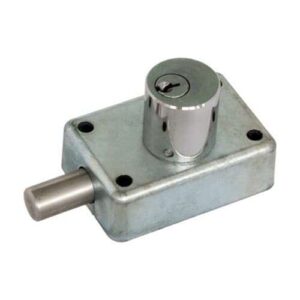
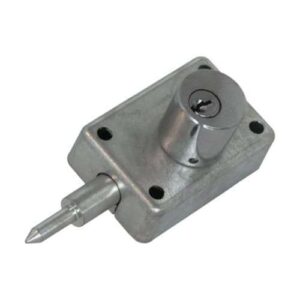
FOCUS
FAQ
What are shunting locks in electrical panels used for?
Maneuver lockouts are used to prevent unauthorized access and provide security during maintenance or operation of electrical panels and technical cabinets. They allow mechanical locking of the opening until the shunting is completely disengaged.
What advantages does keyed alike (KA) encryption offer over keyed alike (KD) encryption?
Keyed alike (KA) allows multiple locks to be opened with a single key, simplifying access management in complex installations. Mixed encryption (KD), on the other hand, offers more control with different keys for each lock, useful in contexts with differentiated levels of authorization.
Why is key extraction positions important only when the lock is closed?
Key extraction positions only with the lock closed ensure that the operator leaves the system in a safe condition before removing the key. This reduces the risk of accidental opening or unauthorized maneuvering during work on electrical or industrial systems.